
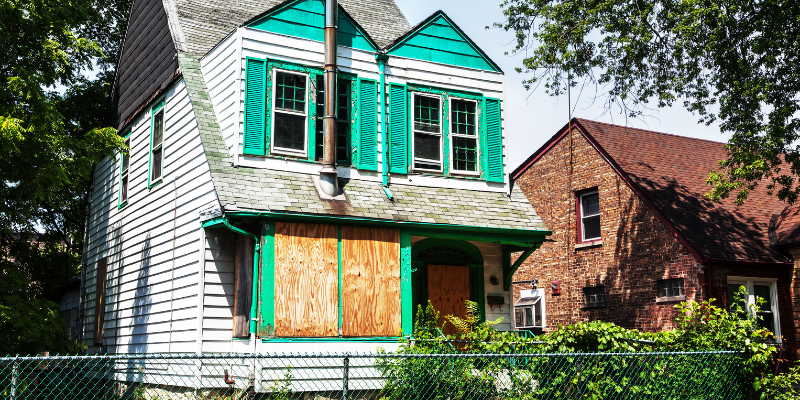
Owning a house that sits empty can quietly become a source of stress, especially when it starts to feel like a responsibility you did not plan for or no longer want to manage. Even when no one lives in the property, the responsibilities continue. Taxes, insurance, lawn care, and repairs still require attention. Over time, maintaining an unused home can begin to feel like more trouble than it is worth, particularly if you live out of the area, recently inherited the property, or no longer want the responsibility of keeping it up.
Many homeowners eventually start asking the same question: if you have a vacant house, what should you do with it, particularly if you live out of the area, recently inherited the property, or no longer want the responsibility of keeping it up? The answer is not always obvious. Some owners consider renting the property, renovating it, or holding it for future use. Others decide that selling a vacant property may be the most practical way to move forward.
Each option involves different costs, responsibilities, and timelines, and the right choice often depends on how much involvement you want going forward. What works well for one homeowner may not make sense for another.
This guide explains the most common choices available to owners of empty homes. By understanding the benefits and challenges of each option, you can decide what makes the most sense for your situation and your goals.
Why Vacant Houses Become a Burden
An empty home may seem manageable at first especially if you expect it to be temporary. Many owners assume they will figure out what to do with it later. Over time, however, the responsibilities and risks of owning an unused property often become more noticeable and harder to ignore.
Even when no one lives in the home, the financial and maintenance obligations do not stop.
Ongoing expenses continue
Property taxes, insurance, and utility bills still need to be paid. Some owners keep electricity or climate control running to prevent damage to plumbing, appliances, or HVAC systems. These costs can add up quickly, especially if the home remains vacant for months and is not actively being used or generating income.
Insurance can also become more complicated. Many policies treat vacant homes differently than occupied ones. This often results in higher premiums or additional requirements for inspections and maintenance.
Vacant homes deteriorate faster
When a house is not occupied, small problems are more likely to go unnoticed. A minor roof leak, plumbing issue, or pest problem can worsen quickly if no one is present to catch it early.
Seasonal conditions can also create challenges. In colder climates, homes may need winterization to prevent frozen pipes. In warmer areas, humidity and heat can contribute to mold or material deterioration.
Security risks increase
Empty homes can attract unwanted attention. Vacant properties are more vulnerable to theft, vandalism, or trespassing. Even simple signals such as overgrown grass or stacked mail can indicate that no one is living there.
For owners who live far away, monitoring the property becomes difficult. Regular inspections may require hiring someone locally to check on the home.
Managing the property from a distance
Many empty homes are inherited or left behind after a move. When the owner lives in another city or state, coordinating repairs, inspections, and maintenance becomes much more complicated and time-consuming.
Tasks such as meeting contractors or responding to urgent repairs can quickly turn into time-consuming logistical problems.
Because of these factors, many homeowners begin looking for a more permanent solution. Understanding the available options can help clarify the next step.
Option 1: Rent the Property

Turning an empty house into a rental property is one option some owners explore. Renting can create income while keeping the home occupied, which may help reduce some of the risks associated with vacancy, but it also introduces ongoing responsibilities.
However, becoming a landlord also comes with ongoing responsibilities.
Rental income potential
A rental property can generate monthly income that helps cover taxes, insurance, and maintenance costs. In some situations, rental income may even produce additional profit depending on local market demand.
For owners planning to hold the property long term, renting may provide both income and the potential for property value appreciation.
Preparing the property for tenants
Before renting, the home may need repairs or updates to meet rental standards. Essential systems such as plumbing, electrical, heating, and appliances typically need to be fully functional.
Some local governments also require rental inspections or permits. Owners may need to confirm the property meets safety and housing regulations before listing it.
Tenant management responsibilities
Renting a property involves managing tenants, lease agreements, and maintenance requests. Responsibilities include collecting rent, coordinating repairs, and addressing tenant concerns during the lease period.
Some owners hire property management companies to handle these tasks. While this can reduce day-to-day involvement, management companies typically charge a percentage of the monthly rent.
Risks to consider
Renting can work well for some owners, but it also introduces potential challenges. Tenants may miss payments, cause damage, or move out unexpectedly. In some cases, legal disputes or eviction processes may arise.
For homeowners who prefer a hands-off approach, the responsibilities of managing a rental property may feel overwhelming or more involved than expected.
Option 2: Renovate and Sell on the Open Market
Another option is to renovate the property and list it for sale through a real estate agent. Improving the home’s condition can increase its appeal to buyers and potentially raise the final sale price.
This option is often considered by owners willing to invest time and money into updates and manage the renovation process from start to finish.
Potential for a higher sale price
Homes in good condition generally attract more buyers and stronger offers. Renovations such as updated kitchens, new flooring, fresh paint, or modern fixtures can improve both the appearance and value of the home.
In competitive markets, these improvements may help the property sell faster and attract multiple offers.
Renovation costs and timelines
Repairs and upgrades require careful planning and budgeting. Contractors, materials, and permits can significantly increase the cost of preparing a home for sale.
Renovation projects also take time. Delays related to scheduling, inspections, or materials can extend the timeline before the property is ready to list.
During this time, the owner continues paying property taxes, insurance, and other holding costs.
Selling through a traditional listing
Once the renovations are complete, the property is typically listed with a real estate agent. The home may be marketed through the Multiple Listing Service, online real estate platforms, and scheduled showings.
The process usually includes buyer negotiations, inspections, appraisals, and closing coordination. While this method can produce competitive offers, it may take several weeks or months to complete the sale and manage the renovation process from start to finish..
Uncertainty in the final outcome
Even with renovations, the final sale price is never guaranteed. Market conditions, interest rates, and buyer demand can all influence the outcome.
Some homeowners prefer the potential upside of a renovated sale, while others prefer a simpler and more predictable path.
Option 3: Hold the Property for Future Use
Some owners choose to keep an empty home rather than selling or renting it right away. This option allows flexibility for future plans, but it also requires ongoing attention in the meantime.
However, holding a vacant property requires ongoing attention and financial planning.
Long-term investment potential
Real estate values may increase over time depending on market conditions. Some homeowners hold property with the expectation that it will become more valuable in the future.
Others may plan to use the house later as a residence, vacation property, or housing for family members.
Ongoing maintenance requirements
Even when no one lives in the house, regular maintenance remains important. This includes lawn care, pest control, and periodic inspections of plumbing, roofing, and structural systems.
Without consistent upkeep, small maintenance issues can quickly turn into expensive repairs.
Carrying costs
Holding a property long term means continuing to pay property taxes, insurance, and maintenance expenses. For some owners, these costs are manageable.
For others, the ongoing financial commitment may eventually become difficult to justify.
Planning for future use
If the property will remain vacant for an extended period, it is important to establish a plan for maintaining and monitoring it. Regular visits or hiring local assistance can help prevent damage and security problems.
Owners should also consider how the property fits into their broader financial goals.
Option 4: Donate or Transfer the Property
In certain situations, homeowners consider transferring ownership rather than selling or renting the house.
This option may involve donating the property to a charitable organization or transferring it to a family member.
Donating to a nonprofit organization
Some charities accept real estate donations. When accepted, the organization may sell the property and use the proceeds to support its programs.
In some cases, donors may qualify for tax benefits based on the value of the donated property. Eligibility depends on tax laws and individual financial circumstances.
Transferring ownership within a family
Families sometimes transfer property to children or relatives who are willing to maintain or live in the home. This may involve gifting the property or arranging a private sale within the family.
While this approach can help keep the property within the family, it often requires careful planning.
Legal considerations
Property transfers typically require updated title documents, contracts, and sometimes legal guidance. Inherited homes may also involve probate or estate settlement processes before ownership can change.
Consulting with a legal or financial professional can help ensure the transfer is handled properly.
Option 5: Sell the Vacant Property As-Is
For many homeowners, selling the property in its current condition becomes the most straightforward solution, especially when they want to avoid repairs, ongoing costs, or long timelines.
Rather than investing time and money into repairs or renovations, owners choose to sell the house as it stands.
Avoiding renovation costs
Selling a home as-is allows the owner to avoid major repair expenses and the time required to manage those repairs. Buyers who specialize in purchasing properties in their current condition are often prepared to handle renovations themselves.
This approach can be especially helpful when the property requires significant repairs or updates.
Simplifying the process
An as-is sale typically removes the need for staging, extensive showings, or large repair projects. While buyers may still perform inspections, the transaction focuses on the home’s existing condition rather than future improvements.
This often reduces the preparation required before selling and simplifies the overall process.
Faster resolution for many owners
Some buyers are able to close more quickly than traditional listings, particularly when financing is not required.
For homeowners who want to resolve the situation efficiently, a straightforward sale can provide relief from ongoing responsibilities and remove the uncertainty of what to do next.
Ending ongoing property obligations
Once the sale is complete, the owner no longer needs to manage taxes, insurance, maintenance, or security concerns related to the property.
For many people, this provides a sense of closure and allows them to focus on other priorities.
Situations Where Selling a Vacant House Makes Sense
Every homeowner’s situation is different, but certain circumstances often lead people to consider selling an empty property.
Inherited homes
When a property is inherited, it may require repairs or updates before it can be used or rented. Family members may also live far away, making maintenance difficult.
Selling the home can simplify estate settlement and reduce ongoing responsibilities.
Former rental properties
Landlords sometimes decide to sell after tenants move out, especially if they no longer want to manage the property or deal with future tenant turnover.
Selling after a tenant leaves can create an opportunity to transition out of property management.
Relocation or life changes
Job moves, family changes, or shifting financial priorities may lead owners to leave a house behind. Managing an empty property from another location can quickly become inconvenient and difficult to keep up with.
Selling the home removes the need for long-distance property oversight.
Properties with major repairs
Homes with structural issues, outdated systems, or deferred maintenance may require substantial investment to restore.
In these cases, selling may be more practical than taking on a large renovation project.
Factors to Consider Before Deciding
Before choosing a path forward, it helps to evaluate several factors that influence the best decision.
Property condition
The overall condition of the home plays a major role. If the property requires extensive repairs, renovation costs may affect whether renting, renovating, or selling makes sense.
A realistic assessment of repair needs can help clarify available options.
Financial considerations
Owners should review the full cost of holding the property. This includes taxes, insurance, utilities, maintenance, and any loan payments tied to the home.
Comparing these costs with potential rental income or estimated sale proceeds can provide useful perspective.
Legal status of the property
Some homes may have title issues, liens, or unresolved estate matters that must be addressed before ownership can transfer.
Understanding the legal status of the property early can prevent delays later.
Personal priorities
Every homeowner has different goals. Some focus on maximizing the sale price, while others value simplicity, speed, and reducing the amount of effort required.
Clarifying personal priorities can make it easier to determine which option best fits the situation.
Conclusion
An empty home can bring unexpected responsibilities. Maintenance, taxes, insurance, and security concerns continue even when no one is living in the property.
Fortunately, homeowners have several options. Some choose to rent the house or renovate it before selling. Others hold the property for future use or transfer ownership to a family member or organization. For many people, selling the home offers the simplest path forward, particularly when they want to avoid ongoing costs, maintenance, and uncertainty.
The right decision depends on the property’s condition, financial priorities, and the level of involvement the owner wants moving forward.
If you are considering selling and want to better understand your options, we can walk through your situation and help you decide what makes the most sense.