
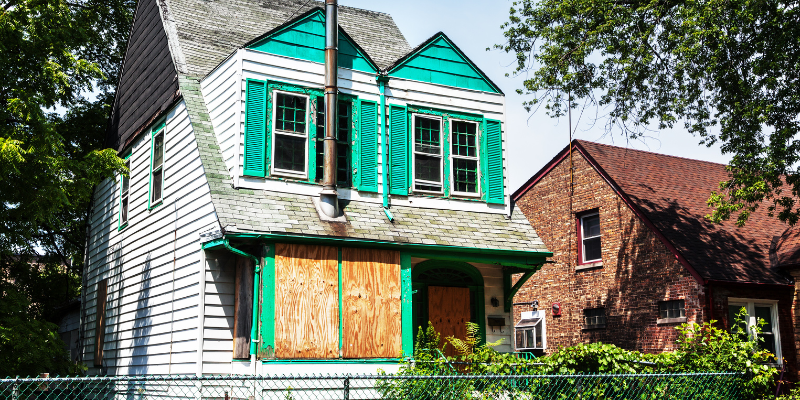
Returning to a property after a long absence can feel overwhelming. Whether the home has been sitting empty for years, recently inherited, or left behind during a life transition, the condition and next steps are often unclear.
A house left vacant for years can come with hidden issues. Deferred maintenance, unexpected repairs, legal concerns, and financial decisions often surface all at once. What might seem like a simple situation can quickly turn into a series of decisions that are difficult to prioritize.
If you are returning to a neglected property, the goal is not to solve everything at once. It is to understand the condition, clarify your options, and choose a path that fits your time, resources, and situation.
This guide walks you through that process step by step so you can move forward with clarity and confidence.
First Steps When You Return to a Property Left Vacant for Years
Start with a careful walkthrough, focusing on safety first. Look for structural concerns, exposed wiring, water damage, or signs the property has been accessed.
Avoid turning everything on immediately. Utilities that have been off for a long time can create problems if reactivated too quickly. Check for leaks, damaged pipes, or electrical issues before restoring service.
Secure the property early by changing the locks and making sure doors and windows close properly. If the home has been open or unattended, this step is especially important.
Document the condition as you go. Take photos of every room, major systems, and any visible damage. This will help with insurance, contractor estimates, and decision making later.
Gather any paperwork you can find, including tax records, insurance documents, and ownership details. If notices have been sent to the property, review those carefully.
Assessing the Condition of a Long Vacant House
A long vacant property often has more issues than what is visible at first glance. Start by evaluating the major systems, including the roof, plumbing, electrical, and foundation.
Look for signs of ongoing damage such as mold, pest activity, and water intrusion. These issues rarely stay contained and often worsen over time.
Deferred maintenance tends to compound. Small problems that were ignored can turn into larger repairs. What might have been a simple fix years ago may now require full replacement.
At this stage, it is often helpful to bring in a professional inspection. Even if you do not plan to renovate, an inspection can provide clarity and help you avoid unexpected surprises.
It can also help to group repairs into categories. Some issues are safety related and require immediate attention, while others are functional or cosmetic. This makes it easier to prioritize your next steps.
Legal and Financial Considerations After a Long Absence

Before making any decisions, take time to understand the legal and financial status of the property.
Start by confirming ownership. Make sure the title is clear and there are no disputes. If the property was inherited, verify whether probate has been completed or is still required.
Check for unpaid property taxes, liens, or code violations. These can accumulate quietly over time and may affect your ability to sell or transfer ownership.
Review local requirements for vacant homes. Some municipalities require registration or impose fines for neglected properties. If the property is part of an HOA, there may also be compliance issues to address.
Look into your insurance status. Many policies lapse or become limited when a home sits vacant. Understanding any coverage gaps is important before moving forward with repairs or allowing access.
On the financial side, calculate the true cost of holding the property. This includes taxes, insurance, utilities, and ongoing maintenance. Then compare that to the estimated cost of repairs and the potential value after improvements.
If the property was inherited, there may be tax considerations such as a stepped-up basis. This can influence whether it makes more sense to sell or hold the property.
Cleaning, Repairs, and Stabilizing the Property
Once you understand the condition, focus on stabilizing the property rather than trying to make it perfect.
Start with cleanup. Remove debris, personal belongings, and anything that limits access or visibility. In some cases, a professional cleanout service can make this process more manageable.
Address health and safety concerns first. This includes pest control, mold issues, and any hazards that could make the property unsafe to enter or work on.
Next, focus on critical systems. Repairing a roof leak or fixing plumbing issues can prevent further damage. These types of repairs are often more important than cosmetic updates.
Get multiple contractor estimates before committing to any work. Costs can vary widely, and having several options helps you make a more informed decision.
Keep in mind that you do not need to fix everything. In many cases, partial stabilization is enough, especially if you are considering selling the property in its current condition.
Deciding What to Do With the Property

At this point, the focus shifts to deciding what path makes the most sense.
You may choose to keep the property, rent it out, renovate it, or sell it. Each option requires a different level of time, cost, and involvement.
Think about your current situation. Consider whether you have the time to manage repairs or tenants, whether you live nearby or out of state, and whether you want a long-term asset or a clean resolution.
Evaluate the financial side as well. Compare the cost of repairs to the potential increase in value. In some cases, additional investment may not lead to a meaningful return.
Also consider your tolerance for risk and stress. Renovations and rentals can be rewarding, but they also require ongoing attention and oversight.
There is no single right answer. The best decision is the one that aligns with your goals and capacity.
Options for Selling a Neglected or Vacant Property
If selling is the direction you are considering, it helps to understand the available paths.
A traditional listing often requires preparing the property for the market. This may include repairs, cleaning, and staging, along with ongoing costs while the home is listed.
Buyers using financing typically require inspections and appraisals. Issues discovered during this process can lead to renegotiation or delays.
Selling as-is is another option that allows you to avoid repairs and sell the property in its current condition. This approach is often simpler and more direct.
Cash buyers and direct buyers tend to focus on the overall value of the property rather than its condition alone. This can reduce uncertainty, especially when the property needs significant work.
Each option comes with trade-offs. The right choice depends on your priorities, timeline, and the condition of the home.
Common Challenges When Returning to a Neglected Property
Many people underestimate the emotional and logistical challenges involved.
There is often an emotional connection to the home, especially with inherited properties. At the same time, the condition of the house can feel discouraging.
Unexpected costs are common. Issues that were not visible during the initial walkthrough may appear later, adding complexity to the process.
Managing everything from a distance can also be difficult. Coordinating contractors, inspections, and paperwork requires time and attention.
There is also the question of trust. Choosing the right professionals and avoiding unnecessary expenses can feel uncertain.
Finally, decision fatigue is common. When everything needs attention at once, it can be hard to know where to start or what to prioritize.
When Selling As-Is May Be the Simplest Path

In some situations, simplifying the process is the most practical choice.
If repair costs are high relative to the property’s value, investing more may not make sense. The same is true if you do not have the time or desire to manage a renovation.
Selling as-is allows you to move forward without taking on additional projects. It removes the need for repairs, reduces holding costs, and shortens the overall timeline.
A straightforward sale can also reduce uncertainty. Without inspections tied to financing, there are fewer opportunities for delays or renegotiation.
The process is typically simple. You receive an offer based on the property’s current condition, review the terms, and decide whether it fits your situation.
For many owners, this approach provides clarity and a way to move forward without added complexity.
Conclusion
Returning to a property after a long absence can bring a mix of questions and decisions. The condition, costs, and options may not be clear at first, but each step becomes more manageable when you take it one piece at a time.
There is no single path that fits every situation. Some properties make sense to repair or keep, while others are better suited for a simpler resolution.
The key is understanding where you stand and choosing the option that aligns with your time, resources, and goals.
If you are looking for a straightforward way to move forward, you can explore your options here: