
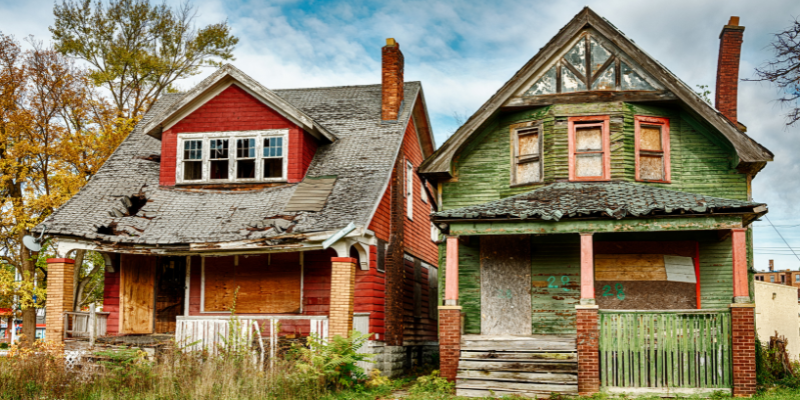
Owning a home that has been neglected for years can feel overwhelming. What may have started as minor repairs or routine upkeep can gradually turn into larger issues that are harder to manage. Over time, maintenance gets delayed, costs increase, and the property begins to feel more like a burden than an asset.
This situation is more common than many homeowners expect. Whether the property was inherited, rented out, or simply difficult to maintain, it is easy for a house with deferred maintenance to reach a point where the next step is unclear. Questions about repair costs, timelines, and selling options can quickly become difficult to sort through.
The good news is that there are practical ways to move forward. You do not need to have everything fixed to explore your options. In many cases, a neglected property sale can provide a straightforward path that allows you to step away from the responsibility and focus on what comes next.
This guide will walk through how to evaluate your situation, understand your options, and make a decision that fits your goals.
Understanding What “Neglected” Really Means
A neglected property does not always mean the home is beyond repair. In many cases, it reflects years of postponed maintenance rather than severe damage. Small issues that were once manageable can build up over time and begin to feel more serious than they actually are.
It helps to distinguish between cosmetic problems and structural concerns. Cosmetic issues include outdated flooring, peeling paint, or worn fixtures. These affect appearance but are usually straightforward to address. Structural concerns involve the roof, foundation, plumbing, or electrical systems, and these typically require more careful evaluation.
Buyers pay close attention to this distinction. A home with visible wear but solid structure can still attract strong interest. Even properties with more significant issues may appeal to buyers who are prepared to take on repairs.
For this reason, a house with deferred maintenance is often still sellable. The condition will influence pricing and buyer interest, but it does not remove your options. Understanding the true state of the property is the first step toward making a clear decision.
Assess the Current Condition of the Property

Before deciding what to do next, it is important to understand the property’s current condition. This does not require a detailed renovation plan. It simply means identifying what is functioning properly, what is not, and what may need attention soon.
Start with a basic walkthrough. Look at the roof for signs of aging or leaks. Check the foundation for cracks or uneven areas. Test plumbing fixtures and note any slow drainage or visible leaks. Pay attention to the electrical system, especially in older homes. These areas typically have the greatest impact on both safety and value.
It is also useful to separate urgent concerns from minor ones. Safety issues such as exposed wiring, water damage, or structural instability should be clearly understood. Cosmetic issues can be noted but do not require immediate action.
In some cases, a professional inspection can provide additional clarity. This is especially helpful if you are unsure about the severity of certain problems. An inspection can help define the scope without committing to repairs.
The goal is not to create a perfect report. It is to gather enough information to evaluate your options with confidence.
Decide Whether to Repair or Sell As-Is
Once you understand the condition of the property, the next step is deciding whether to invest in repairs or sell the home in its current state. This decision usually comes down to time, cost, and your ability to manage the process.
Repairs can improve the property’s condition and potentially increase its market value. However, they also require upfront investment, coordination, and time. For some homeowners, especially those managing other responsibilities or living out of the area, this process can become difficult to handle.
Selling as-is offers a different approach. Instead of taking on repairs, you transfer that responsibility to the buyer. This can simplify the process and reduce the time required to move forward, although it may result in a lower sale price.
It is important to weigh the potential return on repairs against the effort involved. In some situations, modest updates can make a meaningful difference. In others, the cost and complexity outweigh the potential benefits.
The best option usually comes down to how much time, money, and effort you want to invest. If you prefer to avoid managing repairs, selling as-is is often the simpler path. If you are aiming to maximize price and are comfortable with the process, repairs may be worth considering.
What It Takes to Sell a House With Deferred Maintenance
Selling a property in less-than-ideal condition requires a clear and straightforward approach. Transparency is essential. Buyers want to understand what they are purchasing, especially when repairs are involved.
Disclosure requirements vary by location, but in general, sellers are expected to share known issues. This does not mean everything must be fixed. It means being honest about the condition so buyers can make informed decisions.
The condition of the home will also influence who shows interest. Traditional buyers may hesitate if the property requires significant work. However, investors and experienced buyers often look for opportunities like this and are more comfortable evaluating repair costs.
Pricing is also an important factor. A property with maintenance issues is typically priced to reflect the work needed. Setting realistic expectations from the beginning helps attract the right type of buyer and reduces delays later in the process.
Selling Options for a Neglected Property

There are several ways to sell a property that has been neglected, and each comes with its own considerations.
Listing on the open market is one option. This can expose the property to a wide audience, but it may require more preparation and time. Buyers may request inspections, repairs, or concessions during negotiations.
Selling directly to a buyer who specializes in homes that need work is another option. In this type of sale, the buyer evaluates the property in its current condition and takes on the repairs, which can reduce the amount of preparation, coordination, and time required from the seller. It can be a good fit for homeowners who prefer a simpler process.
Auctions or wholesale arrangements are also possible, although they are less common for individual sellers. These methods can move quickly but may involve less control over the final outcome.
Choosing the right option depends on your goals. Some homeowners prioritize maximizing price, while others prioritize speed and simplicity.
How to Prepare the Property Without Over-Investing
Preparing a neglected home for sale does not require a full renovation. In many cases, simple steps can make the property more presentable without significant expense.
Basic cleanup is often the most effective place to start. Removing debris, clearing out personal items, and improving overall cleanliness can make a noticeable difference. This helps buyers better understand the space.
Small improvements may also be worth considering. This could include minor repairs, replacing broken fixtures, or addressing visible safety concerns. These changes can improve perception without requiring a large investment.
It is important to avoid over-improving the property. Large renovations rarely provide a full return in this situation. The goal is to present the home in a way that feels manageable to the next owner, not to make it perfect.
Common Challenges Homeowners Face

Managing a neglected home often involves more than just physical repairs. There are practical and emotional challenges that can make decisions more difficult.
Some homeowners feel a strong attachment to the property, especially if it has been in the family for years. Others may feel overwhelmed by the amount of work required to restore it.
Financial limitations can also play a role. The cost of repairs may not be realistic, particularly if the property is not producing income. In rental situations, tenant-related issues can add additional complexity.
Uncertainty is another common challenge. Without clear information, it is easy to delay decisions. This often leads to further deterioration and increased stress over time.
Recognizing these challenges helps create a more thoughtful and practical approach to the situation.
What to Expect During the Sale Process
Selling a property that needs work follows a similar structure to any home sale, but there are a few important differences.
The process typically begins with an inquiry or initial conversation. From there, the property is evaluated either through a walkthrough or by reviewing details about its condition. Offers are then presented based on that information.
Timelines can vary depending on the selling method. Traditional listings may take longer due to showings, inspections, and negotiations. Direct sales are often more streamlined, with fewer steps involved.
Offers are generally based on the current condition of the property and the estimated cost of repairs. Understanding how these factors influence pricing can help set realistic expectations.
Clear communication throughout the process is essential. Knowing what to expect at each stage reduces uncertainty and helps keep the process moving forward.
Conclusion
A home that has been neglected for years can feel like a difficult situation, but it does not have to remain that way. With the right information, you can evaluate your options and choose a path that fits your needs.
Whether you decide to make repairs or sell the property as it is, the goal is to move forward with clarity. There is no requirement to take on more than you are comfortable with.
If you are considering your next step, it may help to see how others have approached similar situations.