

If you have been researching selling your home to an investor, you have probably asked yourself one big question: what makes a fair cash offer?
It is a reasonable concern.
Many homeowners worry that a cash offer automatically means a low offer. Others assume investors simply throw out a number and hope it sticks. When you are dealing with one of your largest assets, you want clarity. You want to know the math. Most of all, you want to know that you are being treated fairly.
A fair cash offer is not random. It is not based on pressure or guesswork. It should be grounded in local market data, the condition of your property, and the real costs involved in buying and reselling a home.
At the same time, fair does not always mean highest.
Cash buyers provide something different from a traditional listing. They offer speed, certainty, and simplicity. There are no showings, no repair requests, and no waiting to see if a buyer’s financing falls through. Those benefits carry value, and they are part of the equation.
So how do you know if a cash offer is truly fair?
The answer starts with understanding how cash buyers calculate offers, what factors influence the final number, and how to compare that number to your other selling options. Once you understand the process, you can evaluate an offer with confidence instead of uncertainty.
In this guide, we will walk through what goes into a fair cash offer, what questions you should ask, and how to decide whether an offer makes sense for your situation. By the end, you will have a clear framework to determine fairness on your terms.
What Is a Fair Cash Offer?
A fair cash offer is not just a number pulled out of thin air.
It is a price based on real data, real costs, and a clear understanding of what the property needs. When done correctly, a fair cash offer reflects both the current condition of the home and the reality of the local market.
Many sellers assume fairness simply means getting the highest possible price. In a traditional listing, that might be the goal. But with a cash sale, the equation is different.
Cash buyers typically offer:
- A faster closing
- No financing contingencies
- No repairs required
- No agent commissions
- Fewer unknowns
Those benefits have value. When evaluating a fair cash offer, you are not just comparing sale prices. You are comparing outcomes.
For example, a home listed on the market might sell for a higher number. However, that price may come with agent fees, repair credits, buyer negotiations, and weeks or months of uncertainty. The net amount you walk away with can look very different after all expenses are accounted for.
A fair cash offer takes into account:
- The current market value of the home in fully renovated condition
- The cost to repair or update the property
- The time and risk involved in reselling it
- The operational costs of buying, holding, and selling
In other words, fairness comes from transparency and logic, not from emotion.
If a buyer can clearly explain how they arrived at their number, show you comparable sales, and walk you through repair assumptions, that is a strong sign you are dealing with a professional approach.
A fair cash offer should feel consistent and understandable. Even if it is lower than a fully renovated retail price, it should make sense when you see the full picture.
Understanding this difference is the first step. Next, it helps to look more closely at how cash buyers calculate offers and what actually goes into that final number.
How Cash Buyers Calculate Offers
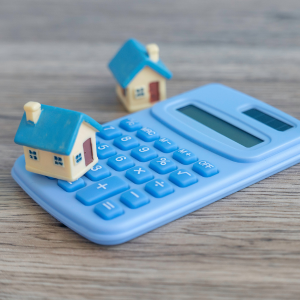
To understand whether you are receiving a fair cash offer, you need to understand how cash buyers calculate offers in the first place.
Professional buyers typically follow a structured formula. While the exact percentages may vary from one company to another, the core framework is consistent.
It usually starts with the After Repair Value, often called ARV.
The ARV is what the home could realistically sell for on the open market after it has been fully renovated. This number is based on comparable sales in your neighborhood, not online estimates or guesswork.
From there, several costs are subtracted.
First are repair costs.
These include both visible updates and hidden issues. Cosmetic upgrades like paint and flooring are one category. Larger items such as roofs, HVAC systems, foundation work, or outdated plumbing are another. Buyers must account for both because they take on the responsibility and risk of completing those repairs.
Next come holding and transaction costs.
These may include:
- Property taxes
- Insurance
- Utilities
- Financing costs
- Closing costs when reselling
- Agent commissions when the renovated home is listed
Even if a property sells quickly, these costs add up. A fair cash offer reflects them accurately, not inflated but not ignored either.
Finally, there is a profit margin.
This is often the most misunderstood part of the equation. Cash buyers are businesses. They take on risk, invest capital upfront, and manage the renovation and resale process. A reasonable profit margin compensates for that risk and effort.
When you put it all together, the simplified formula looks like this:
After Repair Value
Minus repair costs
Minus holding and selling costs
Minus a reasonable profit margin
Equals the offer price
If you ask how cash buyers calculate offers and receive a clear explanation similar to this, that is a positive sign. If a buyer cannot explain their math or avoids specifics, that is worth noting.
A fair cash offer should feel logical when you see the breakdown. You may not love every number, but you should understand how each one was determined.
The more transparent the process, the easier it is to evaluate whether the offer makes sense for your situation.
The Role of Repairs and Property Condition
One of the biggest factors in determining a fair cash offer is the condition of the property.
Two homes on the same street can have very different values based solely on upkeep and needed repairs. Condition directly impacts both the cost and the risk a buyer takes on.
When a cash buyer evaluates your home, they are not looking at what it could be with unlimited time and money. They are assessing what it will realistically take to bring the property to market standards.
Repairs typically fall into a few broad categories.
Cosmetic updates include items like paint, flooring, outdated fixtures, and landscaping. These improvements help a home show well but are usually predictable in cost.
Deferred maintenance is more serious. This might include an aging roof, old HVAC systems, plumbing issues, or electrical updates. These items are more expensive and can affect safety or insurability.
Structural or major issues carry the most weight. Foundation problems, water damage, mold, or significant structural movement introduce uncertainty. Even experienced investors build in additional cushion when these risks are present because unexpected costs are common.
This is where many sellers feel friction.
A homeowner may see a livable house. A buyer sees line items, timelines, permits, inspections, subcontractors, and risk. Both perspectives are valid, but they are looking at the property through different lenses.
A fair cash offer should reflect real repair assumptions, not exaggerated ones. If a buyer claims your home needs extensive work, you can ask for clarity. What specific items are being factored in? How were those costs estimated? Are they using local contractor pricing?
You do not need to be a construction expert to ask good questions.
Transparency around repairs is one of the clearest indicators of fairness. When a buyer can walk you through the scope of work and explain how those repairs affect the offer, the numbers begin to make sense.
Condition does not make a home unsellable. It simply shapes the math behind the offer.
Understanding how repairs influence pricing helps you evaluate whether the fair cash offer you receive is grounded in reality or inflated by vague assumptions.
Market Conditions and Comparable Sales

A fair cash offer is not determined in isolation.
It is shaped by what is happening in your local market. Even if your home is in solid condition, broader market trends still influence the final number.
The first factor is comparable sales.
Comparable sales, often called comps, are recently sold properties that are similar in size, condition, location, and layout. These sales help establish what buyers are currently willing to pay in your neighborhood.
Online estimates can be a starting point, but they often miss important details. They may not account for upgrades, layout differences, lot size, or recent renovations. A serious buyer will rely more heavily on real sold data than automated estimates.
Market speed also matters.
In a strong seller’s market, renovated homes may sell quickly and close to the asking price. That can support stronger After Repair Values and, in turn, support stronger offers.
In a slower market, homes may sit longer. Price reductions become common. Buyers negotiate more aggressively. That added uncertainty affects how cash buyers calculate offers because holding a property longer increases costs and risk.
Interest rates play a role as well.
When rates rise, traditional buyers may qualify for less, which can soften resale values. When rates drop, demand often increases. A fair cash offer reflects these realities rather than assuming ideal conditions.
Seasonality can also influence pricing.
Certain times of year see more buyer activity, while others slow down. If a property is likely to be renovated and resold during a slower season, that timing can affect projections.
All of this feeds back into the math behind a fair cash offer.
If a buyer shows you recent comparable sales, explains current demand, and walks through how market conditions impact resale projections, you are seeing a data-driven approach.
If there is no reference to comparable sales or current market activity, that is a signal to ask more questions.
A fair cash offer should reflect today’s market, not last year’s peak and not an overly optimistic future scenario. When the numbers are grounded in recent, local data, you can evaluate them with greater confidence.
The Costs of a Traditional Sale
When evaluating a fair cash offer, it helps to compare it to the alternative.
Many sellers look at the highest possible listing price and use that as their benchmark. That is understandable. However, the listing price is not the same as the amount you actually take home.
A traditional sale comes with its own set of costs and uncertainties.
Agent commissions are often the most visible expense. In many markets, sellers pay a percentage of the final sale price to cover both the listing agent and the buyer’s agent.
There are also closing costs. These can include title fees, transfer taxes, escrow fees, and other administrative expenses.
Repairs and concessions frequently arise during inspection. Even if you list your home as is, buyers may request credits or price reductions after inspections reveal issues. This can reduce your net proceeds late in the process.
Holding costs are another factor.
If your home takes several months to sell, you continue paying the mortgage, property taxes, insurance, utilities, and maintenance. Those expenses quietly add up.
There is also the cost of time and effort.
Showings, open houses, cleaning, staging, and uncertainty all require energy. For some sellers, especially those managing inherited property, rental issues, or financial stress, that burden carries weight.
When comparing options, it is important to focus on net proceeds, not just the headline number.
A fair cash offer may come in lower than a potential retail listing price. However, when you subtract commissions, repairs, concessions, and holding costs from a traditional sale, the difference can narrow significantly.
In some cases, the net difference is smaller than expected. In others, the convenience and certainty outweigh the additional amount that might be gained through a longer process.
The key is clarity.
Ask yourself: What would I realistically net after all expenses in a traditional sale? How long would that process take? What risks would I be accepting?
When you view a fair cash offer through that lens, you can make a more informed comparison based on actual outcomes, not assumptions.
Red Flags That an Offer May Not Be Fair
Not every cash offer is created with the same level of professionalism or transparency.
If you are trying to determine whether you are receiving a fair cash offer, there are certain warning signs to watch for.
The first red flag is a lack of explanation.
A serious buyer should be able to clearly explain how they arrived at their number. If the response to your questions is vague or dismissive, that is a concern. A fair cash offer should be supported by comparable sales, realistic repair estimates, and a straightforward breakdown of costs.
Another red flag is pressure.
If you are told that you must sign immediately or risk losing the opportunity, pause. While timing can matter in real estate, high pressure tactics are often used to prevent sellers from asking questions or seeking advice. A fair cash offer should stand up to review, not depend on urgency.
Watch for vague or confusing contract terms.
Clear agreements build trust. If the contract includes open-ended inspection periods, unclear contingencies, or language that allows the buyer to back out easily, you may face unexpected changes later. Some buyers agree to a strong price upfront only to renegotiate after tying up the property.
Frequent price reductions before closing are another concern.
If a buyer presents an attractive offer but later attempts to lower the price without clear justification, that is not consistent with a transparent or fair cash offer. Adjustments should be tied to legitimate findings, not strategy.
Finally, consider credibility.
Is the buyer local? Do they have a track record? Are they willing to answer questions about their process? Transparency and consistency matter.
A fair cash offer should feel steady and explainable from start to finish. You should understand the reasoning behind the number, the timeline, and the terms.
If anything feels unclear, rushed, or inconsistent, that is your signal to slow down and ask for more information.
The goal is not just to receive an offer. The goal is to receive one that is grounded in logic, transparency, and follow through.
How to Evaluate Whether a Cash Offer Is Fair for You
At this point, you understand how investors approach pricing. You know what goes into the math. Now the question becomes more personal.
Is this a fair cash offer for your situation?
The answer depends on more than just the number on the page.
Start by asking for a breakdown.
A professional buyer should be willing to explain how they calculated the offer. Ask about comparable sales. Ask about repair assumptions. Ask how they arrived at their projected resale value. Clarity builds confidence.
Next, compare net proceeds, not just price.
If you were to list your home traditionally, what would you realistically walk away with after commissions, repairs, concessions, and holding costs? When you place that number next to the cash offer, the comparison becomes more accurate.
Then consider your timeline.
Do you need to sell quickly? Are you managing a rental property that has become stressful? Are you handling an inherited property from out of town? A fair cash offer may prioritize speed and certainty, especially in situations where time matters.
Evaluate certainty as well.
Are there financing contingencies? Is the buyer using their own funds? How long is the inspection period? A strong offer should provide clarity around closing timelines and minimize the risk of last minute surprises.
Finally, align the decision with your goals.
Some sellers prioritize maximizing every possible dollar. Others value simplicity and peace of mind. Neither approach is wrong. The key is choosing the option that fits your priorities.
A fair cash offer should feel understandable, reasonable, and aligned with your needs. You may not accept it immediately, but you should be able to see how the number was constructed and how it compares to your alternatives.
When you evaluate the full picture, not just the headline price, you put yourself in a stronger position to make a confident decision.
Why Transparency and Process Matter More Than Price Alone

When most people hear the phrase fair cash offer, they immediately focus on the number.
That is natural. The price feels like the most important piece of the transaction.
But fairness is not just about the highest offer. It is about how that offer is created, explained, and honored through closing.
A transparent process builds trust.
A professional buyer should walk you through their evaluation step by step. They should explain how they determined the projected resale value. They should outline repair assumptions clearly. They should define the timeline and closing process in plain language.
You should not feel confused about what happens next.
Consistency is equally important.
Does the buyer communicate clearly? Do they follow through on appointments? Do they provide written terms that match what was discussed? A fair cash offer should feel stable from the first conversation to the closing table.
Process also affects your experience as a seller.
Are you given space to ask questions? Is the timeline flexible if you need extra time? Are there hidden contingencies that could reopen negotiations later?
The goal is not simply to receive an offer. The goal is to move through a transaction with clarity and confidence.
A fair cash offer should be supported by:
- Clear comparable sales data
- Realistic repair estimates
- Straightforward contract terms
- A defined closing timeline
- Open communication throughout the process
When those elements are present, price becomes part of the larger picture.
A slightly higher offer that collapses at inspection or changes days before closing is not necessarily fair. A well explained offer that closes on schedule and honors its terms often delivers more peace of mind.
In the end, fairness includes certainty, clarity, and follow through. When the process is strong, you can evaluate the offer based on facts rather than pressure or guesswork.
What a Fair Cash Offer Really Means
By now, you can see that a fair cash offer is not about a single number.
It is about how that number was built.
A strong offer should be based on real comparable sales, realistic repair estimates, and current market conditions. It should account for the true costs of buying, renovating, and reselling a property. It should also reflect the value of speed, certainty, and simplicity.
Most importantly, it should be explained clearly.
If you understand how cash buyers calculate offers, you are no longer evaluating a mystery. You are reviewing a business proposal with defined inputs and outcomes. That shift alone gives you leverage and clarity.
A fair cash offer is not arbitrary.
It reflects math, risk, timing, and market data. It should align with your goals, whether you prioritize maximum price, convenience, or a quick closing.
If you are considering selling and want to see what your property looks like through this lens, the next step is simple.
Ask for a transparent breakdown.
If you would like a clear explanation of your home’s value and how the numbers are calculated, you can Request a Cash Offer and review it with confidence.