

If you are behind on mortgage payments, you may be hearing two terms over and over again: foreclosure and short sale. Both are serious situations. Both involve financial hardship. But they are not the same.
Understanding foreclosure vs short sale is critical before making any decisions about your home. The path you choose can affect your credit, your timeline, your stress level, and even your ability to buy another home in the future.
Many homeowners feel overwhelmed at this stage. Calls from lenders start coming in. Letters show up in the mail. Deadlines feel unclear. It can feel easier to avoid the problem than to face it. But the earlier you understand your options, the more control you keep.
At a high level, foreclosure happens when a lender takes back the property after missed payments. A short sale, on the other hand, is when you sell the home for less than what is owed, with the lender’s approval. Both involve the lender. Both have consequences. The details, however, matter.
The difference between foreclosure and short sale affects:
- Who controls the sale
- How long the process takes
- How your credit is impacted
- Whether you may still owe money afterward
These differences are not small. They shape your financial future.
In this guide, we will break down foreclosure vs short sale in clear, straightforward terms. You will learn how each process works, how lenders are involved, what happens to your credit, and what to consider before moving forward.
If you are feeling uncertain right now, that is normal. The goal of this article is simple: to give you clarity. When you understand your options, you can take the next step with confidence instead of fear.
Foreclosure vs Short Sale: Quick Definitions
Before diving into timelines, credit impact, and legal details, it helps to clearly define what each term means. When comparing foreclosure vs short sale, the biggest difference comes down to control and who initiates the process.
Foreclosure is a legal process that begins when a homeowner falls behind on mortgage payments and cannot catch up. If the missed payments continue, the lender has the right to take back the property. The home is then sold, often at auction, to recover the unpaid loan balance.
In a foreclosure, the lender is in control. The homeowner has limited influence once the process is underway. Notices are filed publicly, deadlines are set by the court or state law, and the outcome is largely driven by the lender’s timeline.
A short sale is different.
A short sale happens when a homeowner sells the property for less than the total amount owed on the mortgage, with the lender’s approval. The lender agrees to accept less than the full balance in order to avoid the foreclosure process.
This is why you often see a short sale explained as a “lender-approved sale.” The homeowner still participates in the process. The home is listed, an offer is accepted, and the lender reviews the contract before approving the final terms.
In simple terms:
- Foreclosure: The lender takes the home back.
- Short sale: The homeowner sells the home, but the lender must approve the reduced payoff.
Both options involve financial hardship. Both require communication with the lender. But when evaluating foreclosure vs short sale, the key distinction is this: foreclosure is reactive, while a short sale is proactive.
That difference in approach can significantly affect the outcome.
What Is Foreclosure? How the Process Works
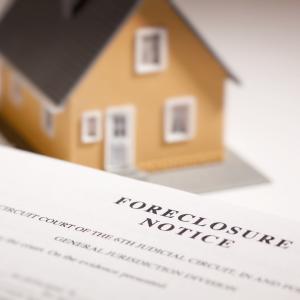
To fully understand foreclosure vs short sale, it helps to take a closer look at how foreclosure actually unfolds.
Foreclosure begins when a homeowner misses mortgage payments and is unable to bring the loan current. Most lenders do not start the process after just one missed payment. However, after several months of nonpayment, formal notices are sent and legal action can begin.
The exact process depends on the state. Some states use judicial foreclosure, which means the lender must file a lawsuit and go through the court system. Other states use non-judicial foreclosure, which allows the lender to move forward without going to court, as long as proper notice is given.
Regardless of the type, the general path looks similar.
First, the lender issues a notice of default. This informs the homeowner that the loan is seriously past due. There is usually a short window to catch up on missed payments, including fees and penalties.
If the balance is not brought current, the lender schedules a foreclosure sale. The property is then sold at auction or taken back by the lender if no one bids high enough.
At that point, the homeowner no longer owns the property.
One important factor in foreclosure vs short sale is public record. A foreclosure filing becomes part of the public record. It can be accessed by credit bureaus, future lenders, and sometimes employers. This can increase stress and reduce privacy during an already difficult time.
Another key issue is timing. Foreclosure timelines can move quickly, especially in non-judicial states. Once the process begins, deadlines are often firm. Missing one notice or misunderstanding a date can limit your options.
Emotionally, foreclosure can feel sudden and overwhelming. Many homeowners report feeling like control is taken out of their hands. Communication with the lender becomes formal. Legal notices replace normal conversations.
In some situations, foreclosure may already be too far along to reverse. In others, acting early can open up alternatives.
Understanding how foreclosure works is essential when comparing foreclosure vs short sale. The level of control, the public nature of the process, and the long-term financial impact are all factors that shape what comes next.
What Is a Short Sale? Short Sale Explained Step by Step
Now that you understand how foreclosure works, let’s look at the other side of the foreclosure vs short sale comparison.
A short sale happens when a homeowner sells the property for less than the total mortgage balance, and the lender agrees to accept the reduced payoff. This option is typically considered when the home is worth less than what is owed, and the homeowner can no longer afford the payments.
Unlike foreclosure, a short sale does not begin with the lender taking legal action. It begins with the homeowner.
The first step is determining hardship. Lenders require proof that the homeowner cannot continue making payments. This may include job loss, medical bills, divorce, relocation, or other financial strain. Documentation is critical at this stage.
Next, the home is listed for sale or marketed to buyers. Once an offer is received, the seller submits the contract to the lender for review. This is where the process can slow down.
The lender evaluates the offer, the property value, and the homeowner’s financial hardship. They may request additional documents or negotiate terms. Approval is not automatic. It can take weeks or even months.
Once the lender approves the short sale, the transaction moves toward closing just like a traditional sale. The proceeds go to the lender, and the remaining mortgage balance may be forgiven, depending on the agreement.
When comparing foreclosure vs short sale, one of the biggest differences is involvement. In a short sale, the homeowner is actively participating. They communicate with the lender, work with buyers, and help move the process forward.
However, short sales are not simple.
- Common challenges include:
- Long approval timelines
- Extensive paperwork
- Buyers backing out due to delays
- Lender negotiations over final terms
Because of these factors, many homeowners feel frustrated or discouraged during the process. Patience and organization are essential.
That said, a short sale often provides more dignity and flexibility than foreclosure. It can allow the homeowner to control the timing of their move and potentially reduce the long-term financial impact.
Understanding how a short sale works is key when weighing foreclosure vs short sale. While both involve financial hardship, the path and the level of control look very different.
Foreclosure vs Short Sale: Key Differences That Matter

Now that you understand how each process works, let’s break down the practical differences in foreclosure vs short sale. These are the factors that often influence a homeowner’s decision.
Control Over the Sale
One of the biggest distinctions in foreclosure vs short sale is control.
In a foreclosure, the lender controls the timeline. Once legal action begins, the homeowner has limited influence. Deadlines are fixed. The sale date is scheduled. The lender determines the next steps.
In a short sale, the homeowner remains involved. You can market the property, review offers, and communicate directly with the lender about terms. While lender approval is still required, you have more participation in the outcome.
If maintaining some level of control matters to you, this difference is significant.
Impact on Credit Score
Credit impact is another major concern.
A foreclosure typically causes a larger drop in credit score. It can remain on your credit report for up to seven years. Future lenders may view it as a serious default.
A short sale also affects credit, but in many cases the impact is less severe. Some lenders may report it as a settled debt rather than a full default. The long-term damage is often easier to recover from, especially if payments were not deeply delinquent before the sale.
While both options hurt your credit, foreclosure usually carries heavier consequences.
Timeline
Timing can look very different depending on which path you take.
Foreclosure timelines are dictated by state law and the lender’s legal process. In some states, it may move quickly. In others, it can take months or even longer. Once scheduled, the sale date is firm.
Short sales often take longer to complete because lender approval is required. However, the timeline can feel more flexible. You are not waiting for an auction date. Instead, you are working through negotiations.
When evaluating foreclosure vs short sale, your urgency matters. If foreclosure is already scheduled, your window for alternatives may be narrow.
Future Home Buying Eligibility
Many homeowners want to know how soon they can buy again.
After a foreclosure, most conventional loan programs require a waiting period that can range from several years. FHA and other programs may have shorter timelines, but they still require recovery time and proof of financial stability.
With a short sale, the waiting period is often shorter. Some loan programs allow buyers to qualify again sooner, especially if the short sale was tied to documented hardship.
This difference can shape your long-term plans. If rebuilding and purchasing another home is important, the foreclosure vs short sale comparison becomes even more critical.
Each of these areas, control, credit impact, timeline, and future eligibility, carries real consequences. Understanding them clearly allows you to make a decision based on facts rather than fear.
Financial Consequences Beyond Credit
When comparing foreclosure vs short sale, credit score is only part of the story. There are other financial consequences that can follow you long after the property is gone.
One major issue is the possibility of a deficiency balance.
In a foreclosure, if the home sells for less than what is owed, the lender may pursue a deficiency judgment in certain states. This means you could still be legally responsible for paying the remaining balance after the sale. Not all lenders pursue this, and not all states allow it, but it is a risk worth understanding.
With a short sale, the lender agrees to accept less than the full mortgage payoff. However, whether the remaining balance is forgiven depends on the terms negotiated. In some cases, the lender fully releases the deficiency. In others, they may require a repayment agreement or a promissory note for part of the remaining amount.
This is why reviewing the written approval carefully is critical.
Tax implications are another factor in the foreclosure vs short sale decision. If a lender forgives a portion of the mortgage debt, the forgiven amount may be considered taxable income. There are exceptions and federal relief programs that sometimes apply, but the rules can change. Consulting a qualified tax professional is strongly recommended before finalizing any agreement.
There are also state-specific laws that can influence outcomes. Some states offer stronger protections for homeowners. Others give lenders broader rights to pursue remaining balances. Understanding local regulations can help prevent surprises.
Beyond legal and tax issues, there is the practical financial impact.
A foreclosure can make it more difficult to secure rental housing. Landlords often review credit reports. A short sale may still raise questions, but it can sometimes be viewed more favorably because the homeowner took steps to resolve the debt.
When weighing foreclosure vs short sale, it is important to look beyond the immediate situation. Ask yourself:
- Will I still owe money after this is done?
- How will this affect my taxes?
- How will this impact my ability to rent or borrow in the future?
These are not small details. They can shape your financial recovery for years.
The key takeaway is simple: do not assume anything. Get clarity in writing. Ask questions. Review documents carefully. The more informed you are, the fewer surprises you will face later.
Emotional and Practical Considerations

When evaluating foreclosure vs short sale, the financial details matter. But the emotional and practical impact can be just as important.
Foreclosure often feels abrupt.
Once the legal process begins, communication becomes formal and structured. Notices arrive by certified mail. Court filings may be involved. The sale date can feel like a countdown clock that you cannot control.
This loss of control can increase stress. Many homeowners describe feeling overwhelmed, embarrassed, or anxious about what comes next. Because foreclosure is part of the public record, there can also be concerns about privacy.
A short sale tends to feel different.
While it still involves hardship, the tone of the process can be more cooperative. You are actively participating in resolving the situation. You can plan showings, review offers, and communicate with the lender about timing.
That sense of involvement can reduce some of the emotional pressure.
There are also practical differences in day-to-day life.
With foreclosure, once the sale is complete, you may have a limited window to move. In some cases, you may not know the exact date until late in the process. That uncertainty can make it difficult to coordinate housing, school transitions, or job relocation.
With a short sale, you typically know when closing is scheduled. This allows for more structured planning. You can secure new housing, organize belongings, and prepare your family for the transition.
Another factor in the foreclosure vs short sale decision is communication.
Foreclosure often limits direct negotiation. The process follows legal procedures. In contrast, a short sale usually involves ongoing communication between the homeowner, the lender, and sometimes the buyer. While that can be time consuming, it also provides opportunities to clarify terms and expectations.
Every situation is different. Some homeowners value speed. Others value privacy. Some want to minimize long-term credit damage. Others are primarily focused on reducing stress in the short term.
When weighing foreclosure vs short sale, it helps to step back and ask yourself:
What outcome will allow me to move forward with the most clarity and stability?
The right choice is not only about numbers. It is about what gives you the best path forward for your family and your future.
Which Option Is Better: Foreclosure vs Short Sale?
When homeowners ask about foreclosure vs short sale, the real question is usually this: Which one is better for me?
The honest answer is that it depends on timing, financial position, and long-term goals.
A short sale may make sense if you still have time.
If foreclosure has not yet been scheduled, and you are able to communicate with your lender, a short sale can offer more control. It may reduce the impact on your credit. It may also shorten the waiting period before you can qualify for another home loan.
A short sale can be especially helpful if:
- The home is worth less than what you owe
- You can document financial hardship
- You want to avoid a public foreclosure filing
- You need more flexibility in planning your move
On the other hand, foreclosure may already be too far along in some cases.
If the auction date is near, or if communication with the lender has completely broken down, your options may be limited. At that stage, acting quickly is critical. There may still be alternatives available, but the window is smaller.
Another important factor in foreclosure vs short sale is speed.
Some homeowners simply want a clear resolution as quickly as possible. Others are trying to minimize long-term financial damage. Understanding your priority can help guide the decision.
There are also situations where neither foreclosure nor short sale is the ideal outcome.
If you have equity in the property, selling traditionally may be a better solution. If the lender is willing to negotiate new payment terms, a loan modification could allow you to stay in the home. If you need a faster solution without the delays of lender approval, selling directly to a buyer may provide a simpler path.
The key is acting early.
The earlier you address the issue, the more choices you have. Waiting often narrows those options and increases stress.
When weighing foreclosure vs short sale, do not make the decision based on fear or pressure alone. Gather information. Ask questions. Understand your timeline. Then choose the path that aligns with your financial reality and your long-term plans.
Clarity creates options. And options create better outcomes.
Alternatives to Foreclosure and Short Sale

When comparing foreclosure vs short sale, it is important to remember that these are not your only options. In many cases, there are alternatives that may allow you to avoid both.
The right solution depends on your financial situation, the amount of equity in your home, and how quickly you need to act.
One potential option is a loan modification.
A loan modification involves working directly with your lender to adjust the terms of your mortgage. This could mean extending the loan term, reducing the interest rate, or adding missed payments to the balance. The goal is to make the monthly payment more manageable.
If your hardship is temporary, this may allow you to stay in the home and recover financially.
Forbearance is another possibility.
With forbearance, the lender temporarily pauses or reduces your payments. This option is often used during short term financial setbacks such as job loss or medical issues. However, it is not forgiveness. The missed payments must eventually be repaid.
A deed in lieu of foreclosure may also be considered.
In this arrangement, you voluntarily transfer ownership of the property back to the lender. In exchange, the lender agrees not to pursue foreclosure. This can sometimes reduce legal fees and shorten the process, but lender approval is still required.
If you have equity in the property, selling traditionally through a real estate agent may be the strongest option. This can allow you to pay off the mortgage in full and potentially walk away with proceeds.
For homeowners who need speed or want to avoid the delays of lender approval, selling directly to a buyer may provide a simpler path. This can sometimes prevent foreclosure altogether if done early enough.
When thinking about foreclosure vs short sale, it is helpful to step back and ask a broader question:
Is there a way to solve this before it reaches either outcome?
Every situation is unique. The amount owed, the current market value, your income, and your timeline all play a role. Exploring alternatives early gives you more flexibility and more control.
The sooner you review your options, the more solutions remain on the table.
Conclusion: Understanding Foreclosure vs Short Sale and Taking the Next Step
If you are facing missed payments or mounting financial pressure, the decision between foreclosure vs short sale can feel overwhelming.
Both options involve hardship. Both have consequences. But they are not equal in terms of control, credit impact, long-term recovery, or emotional strain.
Foreclosure is a lender-driven legal process. It often moves on a fixed timeline and becomes part of the public record. A short sale, by contrast, allows you to participate in resolving the debt, even though lender approval is required.
When comparing foreclosure vs short sale, the key differences come down to:
- Who controls the process
- How your credit is affected
- Whether you may still owe money
- How soon you can move forward financially
There is no universal answer that fits every homeowner. Your timeline, your equity position, and your financial goals all matter. Acting early almost always provides more flexibility and more options.
If you are unsure which path makes sense for your situation, start by gathering information. Speak with your lender. Review your mortgage balance. Understand your local laws. The more clarity you have, the better decisions you can make.
And if you are considering selling your home to avoid foreclosure or simplify the process, it helps to see how others have navigated similar situations.
Before making a decision, take a moment to learn from homeowners who have already worked with us. Check out our reviews.
Clarity leads to confidence. Confidence leads to action. And action is what creates a way forward.