
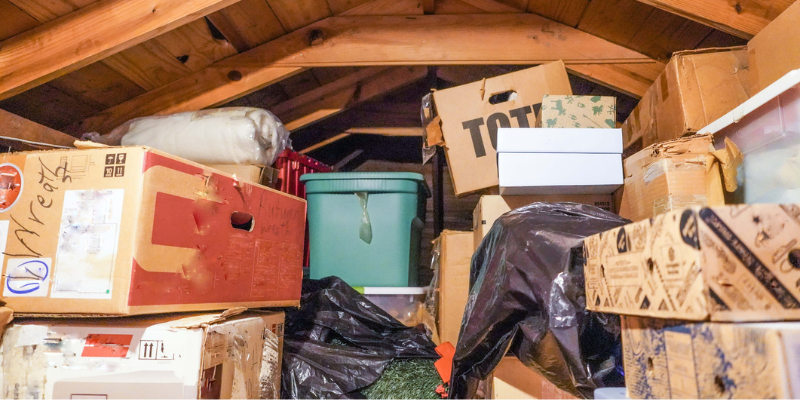
Selling a house is stressful enough without having to figure out what to do with everything inside it. Old furniture, boxes in the basement, clothes in closets, or years of accumulated belongings can quickly turn into an overwhelming problem. For many homeowners, the question is not just how to sell, but what happens if you leave belongings when selling a house.
This concern comes up more often than people admit. Life changes like inheriting a property, dealing with a rental that went sideways, or facing a tight timeline can make a full cleanout feel impossible. You might wonder if it is allowed, whether buyers will walk away, or if you could be held responsible after the sale.
The truth is, there is no single answer that applies to every situation. What happens to unwanted items left in a house depends on the type of sale, the buyer involved, and how expectations are set before closing. In some cases, leaving items behind creates delays or conflict. In others, it is completely acceptable and even expected.
This article will walk you through what typically happens when you leave belongings when selling a house, what the law and buyers usually expect, and what options you have if clearing everything out is not realistic. By the end, you will have a clear understanding of your choices and how to move forward in a way that protects your time, energy, and peace of mind.
Why Sellers Leave Belongings When Selling a House
Most people do not plan to leave items behind when selling a home. It usually happens because life gets complicated faster than the timeline allows. Understanding why this occurs can help you feel less stuck and more confident about your options.
One common reason is time pressure. Job relocations, financial strain, or an unexpected sale deadline can make packing and clearing a house feel impossible. When every day counts, deciding what to keep, donate, or throw away becomes overwhelming, so belongings get left behind.
Emotional weight also plays a role. Inherited homes often contain a lifetime of memories, furniture, and personal items. Sorting through those belongings can be emotionally exhausting, especially during grief. In these situations, sellers may delay decisions or avoid the cleanout altogether.
Physical limitations are another factor. Older homeowners, tired landlords, or people dealing with health issues may not be able to handle the labor involved. Clearing out heavy furniture, appliances, and clutter takes time, money, and physical effort that many sellers simply do not have.
Rental properties create their own challenges. Tenants may leave behind items after moving out, or the property may be filled with damaged or unwanted belongings. When it comes time to sell, the owner may decide it is easier to leave everything as-is rather than manage a full cleanout.
These situations are more common than most people realize. If you are considering whether to leave belongings when selling a house, it does not mean you have failed or done something wrong. It means you are facing real constraints, and the next step is understanding how those belongings are handled once the sale moves forward.
What the Law Says When You Leave Belongings When Selling a House

When sellers worry about leaving items behind, the first concern is often legal responsibility. The rules around personal property can feel unclear, but there are some general principles that apply in most situations.
In a typical home sale, anything left inside the property at closing becomes part of what the buyer receives, unless the contract says otherwise. That means when you leave belongings when selling a house, ownership of those items usually transfers to the buyer along with the home. Furniture, clothing, tools, and other personal property are often treated as abandoned once the sale is complete.
This is why contracts matter. Many real estate contracts include language requiring the property to be delivered empty or broom clean. If that language is present and belongings are left behind, the buyer may have the right to delay closing, request money back, or require the seller to remove the items before the sale can move forward.
Local laws can also affect how abandoned property is handled. Some states have specific rules about notice requirements or timelines before items can be disposed of. While buyers often handle cleanup themselves, sellers should understand that expectations can vary based on location and contract terms.
The most important step is clarity. If you know you plan to leave belongings when selling a house, that should be discussed and documented before closing. Putting those expectations in writing protects both sides and prevents last minute stress or legal disputes.
If you are unsure how your local laws apply, a real estate professional or attorney can help clarify your responsibilities. Knowing where you stand legally allows you to choose the best path forward without unnecessary risk.
What Traditional Buyers Expect Regarding Leftover Items
In a traditional home sale, buyer expectations are usually very clear. Most retail buyers expect the house to be empty at closing, aside from items specifically listed in the contract. When sellers leave belongings when selling a house without prior agreement, it often creates friction.
Many standard purchase agreements require the home to be delivered vacant and broom clean. This means no personal property, no trash, and no leftover furniture. Buyers are typically planning to move in quickly or begin renovations, and unexpected items can feel like an added burden rather than a convenience.
When belongings are left behind, buyers may react in several ways. Some will ask the seller to return and remove the items before closing. Others may request a credit to cover cleanout costs. In more difficult situations, the buyer may delay the closing or attempt to renegotiate the price.
These issues often surface late in the process, which increases stress for everyone involved. A seller who thought leaving a few items would not matter may suddenly face time pressure, added expenses, or tense conversations just days before closing.
This is why traditional buyers tend to be less flexible. They are not set up to handle cleanouts and may not want the responsibility. If you plan to leave belongings when selling a house through a conventional sale, it is critical to address this early and get a written agreement from the buyer.
Understanding these expectations helps you decide whether a traditional sale is the right fit, or if another option might better match your situation and timeline.
Can You Sell a House With Stuff Inside
Many homeowners ask a simple question once they realize a full cleanout may not be realistic: can you sell a house with stuff inside? The answer is yes, but the details depend on who you are selling to and how the sale is structured.
In a traditional sale, selling a house with stuff inside is possible only if the buyer agrees to it in writing. This usually involves clear communication before the contract is signed. Buyers may agree to take certain items, but they often expect a price adjustment or credit in return. Without that agreement, leaving items behind can create delays or disputes as the closing date approaches.
Alternative buyers approach this differently. Some buyers are prepared to purchase homes as-is, including any belongings left behind. In these cases, the contents of the house are factored into the offer from the start. This allows sellers to move forward without sorting, packing, or coordinating cleanout services.
If you are considering whether to leave belongings when selling a house, it helps to be upfront about your situation. Ask early if selling a house with stuff inside is an option and make sure the terms are clearly outlined. This prevents misunderstandings and gives you control over the process.
The key takeaway is that selling a house with stuff inside is not unusual, but it requires the right buyer and clear expectations. Knowing this ahead of time can save you weeks of stress and help you choose a path that fits your timeline and energy level.
What Happens to Items Left Behind After the Sale
Once a home sale closes, ownership of the property transfers to the buyer, and that usually includes anything left inside the house. When sellers leave belongings when selling a house, those items typically become the buyer’s responsibility unless the contract states otherwise.
In many cases, buyers decide what to do with the leftover items based on their plans for the property. Some will throw everything away as part of a larger renovation or cleanup. Others may donate usable furniture, appliances, or household goods. If the items have value, they may resell them or keep what they want and discard the rest.
For sellers, this is an important detail to understand ahead of time. Once the sale is complete, you usually no longer have the right to return and retrieve items. That means anything you leave behind should be something you are comfortable walking away from permanently.
Problems can arise when expectations are not aligned. If a seller leaves belongings when selling a house and the buyer was not prepared for it, the buyer may feel burdened or misled. This is why clarity before closing matters so much. When both sides agree in advance, there is less chance of conflict or confusion.
If you are unsure what will happen to specific items, ask before you sign. Knowing how belongings will be handled allows you to make informed decisions and avoid regrets after the sale is finished.
Options for Sellers Who Do Not Want to Clean Out the House

If clearing out the house feels overwhelming, you are not out of options. Many sellers reach this point after realizing how much time, effort, and coordination a full cleanout requires. When you are thinking about whether to leave belongings when selling a house, it helps to understand the practical alternatives available.
One option is hiring a professional cleanout or junk removal service. These companies handle everything from furniture and appliances to boxes and debris. While this can save time, it often comes with a significant cost and still requires scheduling, access to the property, and decision making about what stays or goes.
Donating usable items is another path. Some charities accept furniture, clothing, and household goods, but this process can be slower than expected. Pickups may need to be scheduled weeks in advance, and not all items qualify. For sellers on a tight timeline, this can become another source of stress.
In estate or inherited property situations, working with an estate sale company is sometimes an option. These companies sort, sell, and remove items, but the process can take time and may not make sense if the goal is a quick sale.
For sellers who want simplicity, choosing a buyer who allows you to leave belongings when selling a house can be the most straightforward solution. In these cases, you avoid cleanout costs, coordination, and physical labor altogether. The items stay, and the sale moves forward as planned.
The right option depends on your timeline, budget, and emotional bandwidth. If the thought of managing a cleanout feels like too much, it may be a sign to prioritize ease and clarity over trying to do everything yourself.
How Selling to a Cash Buyer Changes the Process
Selling to a cash buyer often looks very different from a traditional sale, especially when belongings are involved. For homeowners who plan to leave belongings when selling a house, this difference can significantly reduce stress and uncertainty.
Cash buyers typically purchase homes as-is. That usually includes the condition of the property and anything left inside. Instead of expecting an empty house, they assume there will be items to deal with and factor that into their offer from the beginning. This removes the pressure on the seller to clean, pack, or coordinate a last minute cleanout.
Because there is no lender involved, cash buyers also avoid many of the delays that come with inspections and repair negotiations. Leftover belongings rarely become an issue that threatens the closing. The focus stays on reaching an agreement and setting a clear timeline.
For sellers facing tight deadlines, physical limitations, or emotional fatigue, this approach can be a relief. When you leave belongings when selling a house to a cash buyer, the expectations are usually clear upfront. You know what you can take, what can stay, and when you can move on.
This option is not right for every situation, but it is well suited for sellers who value simplicity and peace of mind. If clearing out the house feels like the biggest obstacle to selling, working with a buyer who is comfortable handling the contents may be the most practical path forward.
How to Decide the Best Option for Your Situation

Once you understand how belongings are handled, the next step is deciding what makes the most sense for you. There is no universal right answer, only the option that best fits your circumstances, priorities, and capacity.
Start by looking at your timeline. If you have weeks or months to prepare, a cleanout or donation plan may be manageable. If you need to sell quickly, leaving items behind may be the more realistic choice. Time pressure is often the biggest factor when sellers choose to leave belongings when selling a house.
Next, consider your physical and emotional energy. Sorting through years of possessions can be exhausting, especially during major life changes. If the cleanout process feels heavy or overwhelming, that is an important signal. Choosing a path that reduces stress is not a failure, but a practical decision.
Cost also matters. Cleanout services, dumpsters, and estate sale coordination all come with expenses. In some cases, those costs outweigh the benefit of removing everything. When you leave belongings when selling a house to the right buyer, you may avoid those out of pocket costs altogether.
Finally, think about what you truly want to keep. Separate the items that matter most from everything else. Anything you are unsure about should be addressed before closing, because once the sale is complete, access is usually gone.
Taking an honest look at these factors helps you move forward with confidence. The goal is not to handle the sale perfectly, but to choose an option that gives you clarity, reduces stress, and allows you to move on without regret.
A Simple Way Forward When You Need to Leave Belongings
Deciding what to do with unwanted items can feel like one more obstacle in an already stressful process. The key thing to remember is this: leaving items behind is more common than most sellers realize, and it can be handled in a clear, respectful way.
When you leave belongings when selling a house, the outcome depends on setting expectations early and choosing the right type of buyer. Traditional buyers often expect an empty home and may push back if items are left behind. Other buyers are prepared for this situation and build it into the process from the start.
There is no benefit in forcing yourself through a cleanout that drains your time, money, or energy if it is not necessary. The goal of selling is to move forward, not to add more stress during an already difficult chapter.
If you want a straightforward sale with no cleanout, no repairs, and no pressure, there are options designed for exactly that. You can sell the house as-is and leave what you no longer want to deal with.
If you are ready for clarity and a simple next step, you can request a no-obligation offer and see what moving forward would look like.