

Selling a rental property is rarely simple. When tenants are involved, the questions and concerns multiply quickly. Landlords wonder if they can even move forward. Tenants worry about their home, their lease, and what comes next. That uncertainty is exactly why understanding the rules around selling a house with tenants matters so much.
Many landlords reach this point because the property has become more work than expected. Managing repairs, late rent, or difficult situations can wear anyone down. Others are accidental landlords who never planned to hold a rental long-term. Whatever the reason, selling a house with tenants is more common than most people realize, and it does not automatically mean chaos or conflict.
From the tenant’s perspective, a sale can feel unsettling. Will the new owner honor the lease? Will rent change? Is moving inevitable? These are fair questions, and the answers depend on a few key factors that every tenant and landlord should understand before assumptions are made.
The good news is this: there are clear guidelines that protect both parties. Tenant rights when a landlord sells are established by lease agreements and local laws, not by emotions or guesswork. When everyone understands how the process works, decisions become easier and outcomes are often better.
This guide walks through what actually happens when a landlord sells a house with tenants in place. You will learn what typically happens to leases, what rights tenants have, and what options landlords can consider. The goal is clarity, not pressure, so you can move forward with confidence and a realistic plan.
Can You Sell a House With Tenants Still Living in It?
Yes, selling a house with tenants is legal and happens every day. A rental property does not need to be vacant before it can be sold. In many cases, landlords choose to sell while tenants are still living in the home because it feels like the most practical option.
Some owners sell because managing the property has become stressful. Others may be dealing with maintenance issues, non-paying tenants, or a life change that makes owning a rental no longer appealing. For accidental landlords, the decision often comes after realizing that renting was never part of the long-term plan. In all of these situations, selling a house with tenants can be a reasonable and realistic path forward.
The presence of tenants does not cancel a sale, but it does shape how the sale works. The lease, local laws, and the type of buyer all influence what happens next. A property sold to another investor may continue operating as a rental. A property sold to an owner occupant may involve different timelines and notice requirements.
It is also important to understand that tenants do not lose their protections just because the property is being sold. When the landlord sells, the tenants rights are still in effect, and those rights are usually tied to the lease and state or local regulations. Knowing this upfront helps landlords plan responsibly and helps tenants feel less caught off guard.
Selling a house with tenants is not about rushing people out or ignoring obligations. It is about understanding the rules, setting clear expectations, and choosing a sale option that fits the situation. With the right approach, it can be handled calmly and professionally for everyone involved.
What Happens to the Lease When a Landlord Sells a House?
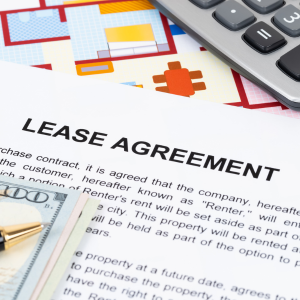
When selling a house with tenants, the lease is one of the most important pieces of the puzzle. In most situations, an existing lease does not disappear just because the property changes ownership. Instead, the lease typically transfers to the new owner as part of the sale.
If the tenant is on a fixed term lease, such as a one year agreement, that lease usually remains in effect until it expires. The new owner steps into the role of landlord and must honor the terms that are already in place. Rent amount, lease length, and basic conditions stay the same unless both sides agree to changes.
Month to month leases are different. While they still carry protections, they offer more flexibility for change. A new owner may be able to modify terms or end the lease, but only by following proper notice requirements set by state or local law. This is where tenant rights when landlord sells become especially important, since notice periods and rules vary by location.
Security deposits are also part of the lease transfer. In most cases, the deposit is either passed to the new owner at closing or returned to the tenant according to local regulations. Tenants should always be informed in writing about where future rent payments should be sent and who is now responsible for the lease.
For landlords, understanding how leases carry over helps avoid missteps during the sale. For tenants, knowing that a lease usually survives the sale can ease a lot of fear. Selling a house with tenants does not automatically mean eviction or sudden changes. It means a shift in ownership, with existing agreements still playing a central role.
Tenant Rights When a Landlord Sells a House
When selling houses with tenants, it is easy for fear and misinformation to take over. Tenants often worry that a sale means they have no control or protection. In reality, tenant rights when a landlord sells are well established and designed to provide stability during a change in ownership.
The most important protection is the lease itself. If a tenant has an active lease, that agreement usually remains valid after the sale. The new owner becomes the landlord and must follow the same terms that were already in place. This includes rent amount, due dates, and basic responsibilities tied to the property.
Tenants also have rights around notice. A landlord cannot simply show up with a buyer or demand sudden changes. Most states require advance notice for showings, inspections, or entry into the property. If a lease is month to month, tenants are still entitled to proper notice before any termination or major change.
Rent and security deposits are another area where tenant rights apply. Tenants should receive clear communication about where rent should be sent after the sale. Security deposits must be transferred to the new owner or handled according to local law. Tenants should never be asked to pay a second deposit simply because ownership changed.
It is important to note that tenant rights when a landlord sells can vary based on state and local regulations. Some areas offer additional protections, especially in cities with strong tenant laws. Reviewing the lease and local rules helps tenants understand exactly where they stand.
For landlords, respecting tenant rights is not just a legal requirement. It often leads to smoother sales and fewer complications. Selling houses with tenants works best when everyone understands the rules and communicates clearly from the start.
Can the New Owner Force Tenants to Move Out?

This is one of the biggest fears tenants have when a rental property is sold. The short answer is no, not automatically. Selling a house with tenants does not give the new owner the right to remove tenants overnight.
If a tenant has a fixed term lease, the new owner is usually required to honor that lease until it expires. The tenant can continue living in the property under the same terms, paying the same rent, and following the same agreement. A sale alone does not cancel a valid lease.
Month to month tenants are in a different position, but they still have protections. A new owner may choose to end a month to month lease, but only by following the notice requirements set by state or local law. This often means providing written notice well in advance, not a sudden demand to move out.
The type of buyer also matters. When selling a house with tenants to another investor, the goal is often to keep the property rented. In those cases, tenants may notice very little change beyond who they send rent payments to. When a buyer plans to live in the home, there may be more pressure to end a lease, but legal notice rules still apply.
Tenant rights when the landlord sells exist to prevent forced or rushed moves. Evictions must follow legal procedures and valid reasons. Simply buying a property does not give a new owner special authority to ignore those rules.
For tenants, the best step is to know the lease and local laws. For landlords, setting clear expectations with buyers upfront can prevent misunderstandings. Selling a house with tenants works best when everyone understands that moving tenants out is a process governed by law, not a personal decision made at closing.
How Selling a House With Tenants Impacts Showings and Inspections
One of the most sensitive parts of selling a house with tenants is coordinating access to the property. Showings, inspections, and walkthroughs are often necessary for a sale, but they must be handled carefully and respectfully.
Tenants generally have the right to quiet enjoyment of their home. This means landlords and buyers cannot come and go freely just because the property is for sale. Most states require advance notice before entering the property, even for showings. That notice is often written and must be given within a specific time frame defined by local law.
When selling houses with tenants, cooperation goes a long way. Tenants who feel respected are often more willing to accommodate reasonable requests. Clear communication about timing, frequency, and expectations helps reduce tension. Surprise visits or excessive showings can quickly create conflict and slow the process down.
Inspections work in a similar way. Buyers may need access for general inspections, appraisals, or contractor walk throughs. These visits still require proper notice and should be scheduled at reasonable times. Tenants are not required to clean or stage the property, although some landlords choose to offer incentives for cooperation.
Tenant rights when a landlord sells include protection against harassment or constant disruption. A sale does not override those rights. Landlords who plan ahead often limit showings to certain days or windows to keep things manageable for everyone involved.
Selling a house with tenants is easier when expectations are set early. Landlords who explain the process, respect tenant schedules, and follow the rules often experience fewer delays and smoother transactions overall.
Options for Landlords Selling a House With Tenants

When selling houses with tenants, there is no single right approach. The best option depends on the lease, the tenant situation, and how quickly the landlord wants to move on. Understanding the available paths makes the decision feel far less overwhelming.
One option is selling to another investor. Many buyers actively look for rental properties with tenants already in place. For these buyers, existing tenants can be a benefit, not a problem. This route often means fewer disruptions for tenants and a smoother transition overall.
Another option is waiting until the lease ends before selling. Some landlords choose to let a fixed term lease run its course and then sell the property vacant. This can expand the pool of buyers, but it also means continuing to manage the property until the lease expires.
Some landlords explore a voluntary agreement with tenants to leave early. This is often referred to as cash for keys. Tenants are offered compensation in exchange for moving out on an agreed timeline. This must always be optional and handled respectfully. It should never feel forced, and tenant rights when the landlord sells must still be honored.
A fourth option is selling directly to a professional home buyer who understands tenant occupied properties. These buyers are used to selling a house with tenants and often purchase properties as-is, without requiring showings or tenant cooperation. This can significantly reduce stress and speed up the process.
Each option comes with trade offs. Speed, price, and complexity can vary depending on the path chosen. The key is choosing an option that aligns with the landlord’s goals while respecting the tenants who live in the home.
Selling a house with tenants does not mean being stuck or running into constant conflict. With the right approach and clear communication, landlords can move forward confidently and responsibly.
What Tenants Should Do If Their Landlord Is Selling
Hearing that a landlord plans to sell can feel unsettling, but tenants are not powerless in this situation. When selling a house with tenants, there are practical steps tenants can take to protect themselves and stay informed throughout the process.
The first step is to review the lease carefully. The lease outlines how long the tenant can stay, what notice is required, and what rules apply if ownership changes. Knowing these details helps tenants separate facts from assumptions and respond calmly.
Tenants should also pay attention to written communication. If a sale is happening, landlords or new owners should clearly explain who to contact, where to send rent, and how deposits are handled. Keeping copies of emails, notices, and the lease can prevent confusion later.
Understanding tenant rights when the landlord sells is another key step. Local and state laws often provide protections beyond what is written in the lease. These rules can affect notice periods, entry for showings, and lease termination. A quick review of local tenant resources can provide clarity and peace of mind.
If showings or inspections are requested, tenants can ask for proper notice and reasonable scheduling. Cooperation is often helpful, but it does not mean giving up the right to privacy or quiet enjoyment of the home.
Finally, tenants should avoid making decisions based on fear. Selling a house with tenants does not automatically mean eviction or rent increases. Taking time to understand the situation allows tenants to respond thoughtfully and protect their housing stability.
Clear communication, knowledge of the lease, and awareness of tenant rights can make a stressful situation far more manageable.
Conclusion: Clarity and a Simple Way Forward
Selling a house with tenants can feel complicated at first, but it does not have to be overwhelming. When landlords and tenants understand how leases, notice rules, and tenant rights when landlord sells actually work, much of the fear and confusion fades away.
For landlords, the key is choosing a path that fits the situation. Some prefer selling to another investor, others wait for a lease to end, and some look for a simpler solution that avoids months of coordination. For tenants, knowing that a sale does not erase their rights can provide much needed stability during a time of change.
Clear communication, realistic expectations, and respect for existing agreements make a significant difference. When those pieces are in place, selling a house with tenants can move forward smoothly and responsibly.
If you are a landlord dealing with a tenant occupied property and want a clear, straightforward option, there is a way to move forward without added stress or pressure.
Learn your options for selling a tenant-occupied property.