

Owing more on your house than it is worth can feel like being stuck. You may be making payments on a property that no longer reflects the amount you owe, with limited clarity on what to do next. This situation, often called negative equity, is more common than many homeowners expect, especially when market conditions shift or financial circumstances change.
If you are dealing with this, you are likely weighing difficult questions. Can you sell without bringing cash to closing? Should you wait and hope values recover? What happens if you fall behind on payments? These are not just financial decisions. They affect your timeline, your credit, and your overall peace of mind.
The good news is that there are several underwater mortgage options available, depending on your situation. Each path comes with tradeoffs, but understanding them clearly can help you move forward with confidence instead of uncertainty.
This guide will walk through what negative equity means, how it affects your choices, and the practical steps you can take to find a way forward.
What Does It Mean to Have an Underwater Mortgage?
An underwater mortgage means your loan balance is higher than what your home could realistically sell for in today’s market. In practical terms, selling the property would not generate enough to fully pay off the mortgage.
This is often described as having a negative equity house. Equity is the difference between your home’s value and what you owe. When that number drops below zero, selling becomes more complex.
There are several reasons this can happen. Home values may decline due to broader market shifts or local conditions. Some homeowners refinance or take on additional debt, increasing their loan balance faster than the property appreciates. Others purchase with a low down payment, leaving little margin if values dip.
Not all negative equity situations are the same. For some homeowners, it may be temporary if the market improves. For others, the gap may persist, especially if the property needs repairs or is in a slower-moving area.
Your loan type can also influence your options. Government-backed loans such as FHA or VA may have different guidelines compared to conventional loans. Lender policies and program eligibility can shape what solutions are available.
Understanding your position is the first step. Before making decisions, confirm your loan payoff amount and get a realistic estimate of your home’s value. This gives you a clear view of how far underwater you are.
How Negative Equity Affects Your Financial Options

When your home is worth less than what you owe, your flexibility becomes limited. Decisions that are usually straightforward, like selling or refinancing, require more planning.
Selling is more difficult because the proceeds may not cover the full loan balance. In many cases, this means bringing cash to closing or working with the lender on an alternative solution.
Refinancing can also be restricted. Most lenders require a certain level of equity. If you are underwater, those options may only be available through specific programs.
There is also ongoing financial pressure to consider. If your payment feels high relative to the home’s value or your current income, it can create stress over time, especially if the property no longer fits your needs.
Credit risk becomes a factor if payments are missed. Falling behind can affect your credit profile and limit future borrowing options.
Another consideration is opportunity cost. Holding onto a property with negative equity may tie up time and resources that could be used elsewhere. For some homeowners, holding makes sense if payments are manageable and recovery is likely. For others, it may increase financial strain.
The key is to evaluate your situation honestly. Review your monthly costs, long-term plans, and ability to carry the property. This helps determine whether holding, selling, or exploring alternatives is the most practical path.
Can You Still Sell a House With Negative Equity?
Yes, but it requires a clear understanding of your numbers and, in many cases, coordination with your lender.
In a traditional sale, the price is expected to cover your remaining loan balance along with closing costs and commissions. When the value falls short, that gap must be addressed before closing.
One option is to bring the difference in cash. For some homeowners, this is manageable. For others, it is not realistic, especially if the gap is significant.
If covering the difference is not possible, alternative approaches may be necessary. These often involve working with the lender to approve a sale that does not fully pay off the loan.
It is also important to factor in the full cost of selling. Closing costs, repairs, and commissions can increase the total amount needed.
A practical first step is to request a payoff statement from your lender. This shows the exact amount required to satisfy the loan. Comparing that number to your home’s realistic value helps you understand your options.
Common Underwater Mortgage Options to Consider
There is no single solution that works for everyone. The right path depends on your finances, timeline, and goals.
One option is to pay the difference at closing. This allows for a standard sale and a clean exit, but it requires available funds.
Loan modification or refinancing programs may also be available. These can adjust your loan terms, such as lowering the interest rate or extending the repayment period. Eligibility depends on hardship, loan type, and lender guidelines.
Renting out the property is another option. Rental income can offset the mortgage, but this comes with responsibilities such as maintenance, tenant management, and potential vacancies.
Some homeowners choose to hold the property and wait for the market to recover. This can work if your finances are stable and you can manage the payments over time.
It is important to remember that the lender’s rights remain tied to the loan regardless of property value. You are still responsible for repayment unless another agreement is made.
A practical step is to compare your monthly costs with potential rental income or sale outcomes. This helps determine whether holding the property is sustainable.
What Is a Short Sale and How Does It Work?

A short sale is when your lender agrees to let you sell the property for less than what you owe. Instead of requiring full repayment, the lender approves a reduced payoff.
This option is typically considered when bringing cash to closing is not possible and there is a financial hardship. The lender must review and approve the situation, which can take time.
The process usually involves submitting financial documentation, including income, expenses, and a hardship explanation. The lender uses this information to decide whether to approve the sale.
A short sale can help avoid foreclosure and may have a less severe impact on credit compared to prolonged missed payments. However, approval is not guaranteed, and timelines can be longer than a traditional sale.
One important consideration is whether the remaining balance is forgiven. In some cases, the lender may waive it. In others, they may still pursue the difference.
There can also be tax implications. Forgiven debt may be treated as taxable income depending on current laws and your situation. It is important to consult a qualified professional.
Practical steps include preparing your documents early, working with someone experienced in short sales, and maintaining consistent communication with your lender.
Selling to a Direct Home Buyer as an Alternative
Another option is selling directly to a home buyer instead of listing on the open market. This approach can offer a more flexible and straightforward process.
Direct buyers typically evaluate the property based on its current condition and market factors. In situations involving negative equity, they may work with the homeowner and lender to explore viable solutions.
One advantage is simplicity. There is often less preparation, fewer showings, and a more predictable timeline. This can be helpful if you need clarity or are facing time constraints.
It is important to understand how the numbers align. The offer must still make sense relative to your loan balance and any agreements with your lender.
A practical step is to request a clear breakdown of the offer, including how it compares to your loan payoff and what happens at closing.
Many homeowners also want reassurance around transparency. Taking time to review terms and ask questions can help you feel more confident in your decision.
When Foreclosure Becomes a Risk
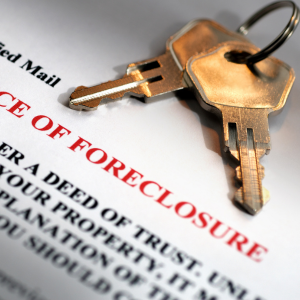
Foreclosure becomes a risk when mortgage payments are missed and no alternative arrangements are made. Over time, this can lead to a formal process that may result in losing the property.
The timeline varies by location and loan type. Some areas require court involvement, while others follow a faster administrative process.
The financial impact can be significant. Foreclosure can damage your credit and make future borrowing more difficult.
In some cases, the lender may still pursue the remaining balance after the property is sold, depending on local laws and loan terms.
Taking action early can make a difference. Contacting your lender, understanding your options, and tracking notices or deadlines can help you stay ahead of the situation.
If foreclosure becomes a possibility, exploring alternatives early often provides more flexibility and better outcomes.
How to Decide the Right Path for Your Situation
Choosing the right path starts with clarity. Every situation is different, and the best option depends on your finances, timeline, and goals.
Start by confirming your loan payoff amount and comparing it to your home’s realistic value. This gives you a clear picture of your position.
Next, consider your timeline. Are you under immediate pressure, or do you have time to evaluate options carefully?
Review your financial capacity. Can you comfortably maintain payments, or is the property creating ongoing strain?
It is also important to consider how each option may affect your credit and future plans.
A simple framework can help guide your decision:
- Step 1: Confirm your payoff amount
- Step 2: Estimate your home’s current value
- Step 3: Compare your options side by side
- Step 4: Speak with your lender or a qualified professional
There is no one-size-fits-all solution. The goal is to choose a path that fits your situation and provides a clear way forward.
Conclusion
Having a negative equity house can feel overwhelming, but it does not mean you are out of options. There are several paths available, each with its own considerations.
The most important step is gaining clarity. When you understand your numbers and your options, it becomes easier to make a decision that fits your situation.
Whether you choose to hold, sell, or explore alternatives, taking action early can help reduce stress and create a more manageable outcome.