
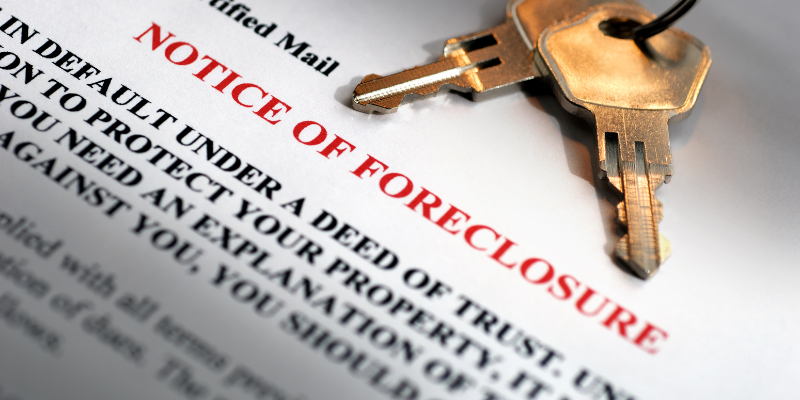
Opening a foreclosure notice can feel overwhelming. For many homeowners, the first instinct is to set it aside and hope the situation improves on its own. Bills may already be piling up, stress is high, and legal language from a lender can feel like too much at once.
Ignoring those notices, however, rarely makes the problem go away. In fact, the consequences of ignoring foreclosure notices often become more serious the longer no action is taken. Fees increase, options shrink, and timelines move faster than most people realize. What starts as a warning can quickly turn into a loss of control over your home.
If you are wondering what happens if foreclosure notices are ignored, you are not alone. Many homeowners underestimate how quickly lenders proceed once communication stops. Others assume there will be more time later to figure things out, only to discover that key deadlines have already passed.
This guide is designed to walk you through what really happens when foreclosure notices are ignored. You will learn how the process unfolds, why early action matters, and what practical options may still be available even if things already feel far along.
Understanding these consequences puts you back in a position of clarity. Knowing what is coming allows you to make decisions that protect your future, reduce stress, and help you move forward with confidence rather than fear.
Understanding Foreclosure Notices and Why They Matter
A foreclosure notice is not just a reminder that a payment was missed. It is a formal signal that the lender has started a process that can eventually lead to the loss of your home. These notices exist to document each step and to give the homeowner a limited window to respond.
Most homeowners receive more than one notice before a foreclosure is completed. Early letters may mention missed payments or request contact. Later notices become more direct and reference legal timelines, default status, or a scheduled sale. Each notice represents a new stage in the process, and each stage carries more serious foreclosure notice consequences.
Lenders send these notices to protect their legal position. If a homeowner does not respond, the lender assumes there is no intention or ability to resolve the issue. That assumption allows them to move forward without further discussion, often faster than expected.
It is also important to understand that foreclosure timelines are not always flexible. Many notices include deadlines that are easy to overlook or misunderstand. Missing one deadline can remove options that were previously available, even if the homeowner is willing to act later.
Recognizing a foreclosure notice for what it is gives you leverage. It is an opportunity to pause the process, ask questions, and evaluate your choices. The earlier that happens, the more control you keep over the outcome.
The Immediate Foreclosure Notice Consequences of Ignoring Lender Communication

One of the first consequences if ignoring foreclosure notices shows up quietly. When a lender does not hear back from a homeowner, they assume there is no plan to fix the problem. That assumption changes how the lender proceeds, often in ways that are not favorable to the homeowner.
Ignoring calls, letters, or certified mail can close the door on early solutions. Many lenders are willing to discuss temporary relief options at the beginning of the process. Those conversations usually stop once communication goes silent. What could have been a manageable issue can quickly become a formal default.
Costs also begin to rise almost immediately. Late fees, legal fees, inspection charges, and administrative costs are often added to the loan balance. These expenses may not feel significant at first, but they accumulate faster than most homeowners expect. The longer the silence continues, the harder it becomes to catch up.
Another overlooked consequence is how quickly timelines can move. Foreclosure notices often come with specific response windows. Missing one does not pause the process. Instead, it allows the lender to move to the next step without further warning. Homeowners are often shocked to learn how much progress has been made behind the scenes while they were waiting.
The most important thing to understand is this: doing nothing is still a decision. Ignoring lender communication does not buy time. In most cases, it shortens it. Responding early keeps options open and gives you a chance to influence what happens next, rather than reacting when choices are already limited.
Legal and Financial Risks That Grow Over Time
As foreclosure notices continue to be ignored, the situation often shifts from administrative to legal. At this stage, the foreclosure notice consequences become much harder to reverse. The lender may file a formal foreclosure action, which starts a legal process that follows strict rules and timelines.
Once legal action begins, the homeowner’s options narrow quickly. Court filings become part of the public record, and missing a response deadline can result in an automatic ruling in the lender’s favor. Many homeowners do not realize that staying silent during this phase can limit or eliminate their ability to challenge the foreclosure later.
Financial damage also deepens during this period. Attorney fees, court costs, property inspections, and other lender expenses are typically added to the balance owed. These added costs can make it nearly impossible to reinstate the loan, even if income improves.
Credit impact becomes unavoidable as well. A foreclosure filing can significantly lower a credit score and remain on a credit report for years. This affects future housing options, interest rates, and even employment opportunities in some cases. The longer the process drags on, the harder it becomes to recover financially.
Another risk homeowners often overlook is the possibility of owing money after the foreclosure. If the home sells for less than the loan balance and fees, the lender may pursue a deficiency balance, depending on state laws. Ignoring notices early increases the likelihood of facing this outcome later.
At this stage, the cost of inaction is no longer just stress or uncertainty. It becomes a combination of legal exposure, lasting financial harm, and fewer ways to regain control. Acting before this point can make a meaningful difference in how the situation ultimately resolves.
What Happens If Foreclosure Is Ignored All the Way Through

When foreclosure notices are ignored from start to finish, the process moves forward without the homeowner’s input. At this point, the foreclosure notice consequences are no longer theoretical. Ownership of the property is at risk, and the timeline is often shorter than expected.
The final stage usually involves a foreclosure sale, sometimes called a trustee sale or sheriff’s sale depending on the state. The property is scheduled to be sold to recover the lender’s losses. Once this sale happens, the homeowner typically loses legal ownership of the home, even if they are still living there.
Many people ask what happens if foreclosureis ignored until this point. One common surprise is how little notice is given before the sale date. If earlier notices were missed, the first time a homeowner realizes how serious the situation is may be when the sale is already scheduled.
After the sale, the next phase is often removal from the property. Eviction timelines vary, but they tend to move quickly once ownership has transferred. Homeowners may be given a short window to vacate, leaving little time to plan a move, secure housing, or protect personal belongings.
There is also a loss of control that comes with this stage. The ability to negotiate, delay, or choose a preferred outcome is largely gone. Decisions are driven by legal procedures rather than personal circumstances.
This is why the later foreclosure notice consequences feel so overwhelming. What began as paperwork and phone calls can end with sudden displacement and financial fallout. Understanding how the process concludes makes it clear why early action matters and why waiting until the end often leads to the most difficult outcomes.
How Ignoring Foreclosure Notices Limits Your Exit Options
One of the most overlooked foreclosure notice consequences is how quickly your available options disappear. Early in the process, homeowners usually have multiple paths they can explore. As notices are ignored, those paths narrow, sometimes without clear warning.
Lenders are far more flexible when communication is active. Once deadlines are missed, solutions like loan modifications, repayment plans, or temporary relief may no longer be offered. Even if they are technically available, approval becomes harder as the account moves deeper into default.
Selling the home also becomes more complicated over time. Waiting too long can make a traditional sale unrealistic due to tight deadlines, title issues, or pending legal action. Many homeowners assume they can sell whenever they choose, but foreclosure timelines do not always allow for that flexibility.
Another limitation is loss of negotiating leverage. When foreclosure is imminent, decisions are often rushed. Homeowners may feel forced to accept unfavorable terms simply to avoid an immediate crisis. This pressure can lead to less money, more stress, and fewer chances to plan the next step carefully.
Ignoring notices also affects personal planning. Housing decisions, moving logistics, and financial recovery all become harder when timelines are uncertain or compressed. Instead of choosing when and how to move forward, homeowners end up reacting to events they no longer control.
The earlier foreclosure notices are addressed, the more choices remain on the table. Ignoring them does not preserve options. It quietly removes them, one by one, until only the most difficult outcomes are left.
Common Reasons Homeowners Ignore Foreclosure Notices

Ignoring foreclosure notices is rarely about carelessness. In most cases, it is driven by emotion, confusion, or fear. Understanding these reasons helps explain why foreclosure notice consequences often escalate before action is taken.
One common reason is overwhelm. Financial stress, job changes, health issues, or family problems can all pile up at once. When everything feels urgent, foreclosure notices can feel paralyzing rather than motivating. Avoidance becomes a way to cope, even though it creates more problems later.
Fear also plays a major role. Many homeowners worry that responding will immediately trigger foreclosure, eviction, or aggressive collection efforts. This fear causes people to delay contact, not realizing that silence often accelerates the process rather than slowing it down.
Another factor is confusion. Foreclosure notices are often written in legal or technical language that is hard to understand. Homeowners may not know which notices are serious, which deadlines matter most, or what their rights actually are. Without clarity, it feels safer to wait than to risk making a wrong move.
Some people believe the issue will resolve itself. They expect a tax refund, a bonus, or a future income change to fix the situation. While optimism is understandable, foreclosure timelines rarely pause for potential improvements that have not happened yet.
Finally, many homeowners underestimate the speed of foreclosure notice consequences. They assume there will always be more time to act later. By the time they realize how far the process has moved, their best options may already be gone.
Recognizing these patterns is important. Avoidance is a human response, but it does not protect your home or your future. The next step is understanding what to do instead.
What to Do Instead of Ignoring Foreclosure Notices
Once foreclosure notices arrive, taking action does not mean committing to one outcome. It simply means choosing clarity over uncertainty. The foreclosure notice consequences are far easier to manage when steps are taken early, even if the situation already feels serious.
The first step is to acknowledge the notice and understand where you are in the process. That may involve opening mail you have been avoiding or making a single phone call to confirm deadlines. You do not need to have all the answers yet. You only need a clear picture of what is happening.
Next, gather basic information about your options. This could include speaking with the lender, a housing counselor, or a local real estate professional who understands foreclosure timelines. The goal is not to negotiate immediately, but to learn what paths are still available based on your specific situation.
If keeping the home is no longer realistic, selling before foreclosure is completed is often worth exploring. Acting earlier can allow for a smoother sale, more control over timing, and a clearer transition to the next stage of life. Waiting until the last moment often removes these advantages.
It is also important to set realistic expectations. There is no single solution that works for every homeowner. What matters is choosing a path that reduces long term damage and allows you to move forward with stability rather than ongoing stress.
Doing something, even something small, changes the direction of the process. Ignoring foreclosure notices gives all the control to the lender. Responding gives you a voice in what happens next and can significantly soften the impact of the foreclosure notice consequences you are facing.
Taking Control Before Foreclosure Takes It From You
Foreclosure notices are meant to prompt action, not panic. When they are ignored, the foreclosure notice consequences tend to compound quickly, often in ways that are difficult to undo. Loss of options, rising costs, legal pressure, and emotional stress are all common outcomes of waiting too long.
The good news is that clarity creates leverage. Even if foreclosure feels far along, understanding your position and taking intentional steps can reduce long term damage and restore a sense of control. Doing nothing almost always leads to the most restrictive outcomes. Doing something opens the door to alternatives.
If keeping the home is no longer realistic, selling before foreclosure is completed can provide a cleaner transition and more peace of mind. It allows you to move forward on your own terms rather than reacting to forced deadlines and legal action.
If you are facing foreclosure notices and want a clear, straightforward option, you can start by learning what a direct sale looks like and whether it makes sense for your situation. Get my cash offer.
Taking action does not mean everything will be easy, but it does mean you are choosing a path forward. That choice alone can make the foreclosure notice consequences far more manageable and help you move on with confidence rather than regret.