

Missing a mortgage payment can feel overwhelming. Missing more than one can make the situation feel urgent, confusing, and isolating. Many homeowners in this position worry that their options are gone or that foreclosure is inevitable. That is not always the case.
If you’re trying to sell a house and you’re behind on payments, it helps to know that missed mortgage payments do not automatically prevent you from selling. In many situations, selling can be a practical way to regain control, resolve the loan, and move forward without the long term stress of foreclosure.
Homeowners fall behind for many reasons. A job change, medical expenses, divorce, or rising costs can quickly throw finances off balance. Once payments are missed, lender notices start arriving, phone calls increase, and the pressure can build fast. Without clear information, it is easy to feel stuck.
The good news is that selling is still an option for many homeowners who have missed payments. Whether you are early in the process or already facing serious mortgage delinquency, understanding how selling works can help you make informed decisions instead of reactive ones.
This guide will walk you through what it means to sell a house behind on payments, how timing affects your options, and what steps you can take to move forward with clarity and confidence.
What It Means to Be Behind on Mortgage Payments
Being behind on mortgage payments usually starts with a single missed due date. Most lenders allow a short grace period, but once that window passes, the loan is considered late. If payments continue to be missed, the situation can quickly progress into mortgage delinquency.
Mortgage delinquency simply means you have fallen behind on your loan according to its terms. This can range from being 30 days late to several months behind. Each stage comes with more lender communication and fewer options if no action is taken.
Many homeowners assume that once they are delinquent, they have lost control. In reality, there is often a period of time where decisions still matter. During this window, you may still be able to sell a house behind on payments and use the sale to resolve the loan balance.
It is also important to understand that delinquency is not the same as foreclosure. Foreclosure is a legal process that usually begins only after several missed payments. Until that process is complete, the homeowner typically still owns the property and can explore solutions, including selling.
Knowing where you are in the process helps you make better choices. The earlier you understand what being behind on payments really means, the more flexibility you are likely to have when deciding how to move forward.
Can You Sell a House Behind on Payments?

Yes, you can sell a house behind on payments in many situations. Being late on your mortgage does not automatically block you from selling. As long as you still legally own the property, selling remains an option worth considering.
When you sell, the mortgage does not disappear. Instead, the loan is typically paid off as part of the closing process. The buyer’s funds are used to satisfy the remaining balance, along with any late fees or costs required by the lender. Once the loan is paid, the sale can move forward.
For homeowners dealing with missed payments, this can be a relief. Selling allows you to address the debt directly rather than continuing to fall further behind. In some cases, it may stop the situation from escalating into foreclosure altogether.
The key factor is timing. If the foreclosure process has not been completed, you often still have the legal right to sell. This is why many homeowners choose to act once they realize they cannot catch up on payments. Waiting too long can limit options and increase stress.
If you are trying to sell a house behind on payments, understanding this basic process helps you make decisions from a place of clarity. Selling is not a loophole or a sign of failure. For many, it is a practical way to close a difficult chapter and move forward with fewer long term consequences.
Understanding Your Timeline Before Foreclosure
When you miss mortgage payments, foreclosure does not happen overnight. There is usually a defined timeline that gives homeowners time to respond, explore options, and take action. Understanding this timeline is critical if you plan to sell a house behind on payments.
Most lenders begin with late notices and phone calls after the first missed payment. As payments continue to be missed, the account moves deeper into delinquency. At this stage, the lender is signaling concern, but foreclosure has not yet started.
After several months of nonpayment, the lender may issue a formal notice of default or similar filing, depending on the state. This is often the point where homeowners feel panic, but it is also a moment where decisions still matter. In many cases, you still own the home and can legally sell it.
Foreclosure only becomes final once the legal process is completed. Until that happens, selling the property remains an option. Acting earlier in the timeline typically provides more flexibility, fewer fees, and less pressure during negotiations.
If you are considering a mortgage delinquency sale, timing can affect everything from how quickly you need to close to how much control you have over the process. The sooner you understand where you stand, the easier it is to choose a path that protects your interests and reduces stress.
Options for a Mortgage Delinquency Sale
When you are behind on your mortgage, there is more than one way to approach selling. Understanding your options helps you choose a path that fits your timeline, financial situation, and stress level. A mortgage delinquency sale is not one size fits all solution.
One option is listing the home on the open market with a real estate agent. This can work if the property is in good condition and you have enough time before foreclosure pressure increases. However, listings often require repairs, showings, and weeks or months on the market. If payments are already missed, delays can create added risk.
Another option is selling directly to a buyer. Many homeowners choose this route when they need simplicity and speed. A direct sale often allows you to sell the house as is, avoid repairs, and close on a schedule that matches your situation. For someone trying to sell a house behind on payments, this can reduce uncertainty and help resolve the mortgage faster.
Each option comes with tradeoffs. The open market may offer a higher price but requires time and preparation. A direct sale may be more straightforward, especially when missed payments have already created pressure.
The right choice depends on how far behind you are, how quickly you need to act, and how much capacity you have to manage the process. Taking time to understand these options can help you move forward with confidence instead of reacting out of fear.
How Selling Can Help You Avoid Foreclosure
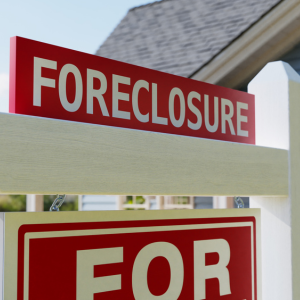
For many homeowners, foreclosure feels like the only possible outcome once payments are missed. In reality, selling can interrupt that path and create a more controlled exit. When you sell a house behind on payments, the sale can be used to resolve the mortgage before the foreclosure process is completed.
Once a property is sold, the mortgage is typically paid off at closing. This stops further lender action tied to that loan. In many cases, it can also halt scheduled foreclosure proceedings, provided the sale happens in time. This is why timing matters when missed payments begin to add up.
Selling can also reduce long term consequences. Foreclosure often stays on a credit report longer and carries more weight than a resolved mortgage through a sale. While any missed payments may still have an impact, choosing to sell can limit additional damage and provide a clearer financial reset.
Another benefit is control. Foreclosure removes decision making from the homeowner and places it in the hands of the lender. Selling allows you to choose the buyer, set a timeline, and plan your next steps with more certainty.
If you are facing growing pressure from missed payments, selling is not about giving up. For many homeowners, it is a way to step out of a difficult situation on their own terms and move forward with less stress and more clarity.
What You Need Before Selling a House Behind on Payments
Selling a home while behind on payments does not require everything to be perfectly organized, but a few key details can make the process smoother. Gathering basic information early helps you move forward with confidence and avoid unnecessary delays.
Start by understanding your mortgage balance. Knowing roughly how much you owe, including missed payments and late fees, gives you a clearer picture of what needs to be resolved at closing. You do not need an exact payoff to explore options, but a general estimate is helpful.
It is also important to know where you stand in the process. If you have received default notices or foreclosure related letters, keep them accessible. These documents can clarify timelines and help determine how quickly you may need to sell a house behind on payments.
Communication matters, even when it feels uncomfortable. Many homeowners avoid lender contact out of stress, but staying informed can prevent surprises. You do not have to negotiate or commit to anything, but understanding what the lender has already started can guide your decisions.
Finally, be honest about your capacity. If repairs, showings, or long wait times are unrealistic, that information matters. Selling while behind on payments is about choosing a path that fits your situation, not forcing one that adds more pressure.
Preparing these basics does not lock you into a decision. It simply puts you in a better position to evaluate options and take action when you are ready.
Common Mistakes to Avoid When You Are Behind on Payments

When mortgage payments are missed, stress can push homeowners into decisions that make the situation harder. Being aware of common mistakes can help you stay in control and protect your options if you plan to sell a house behind on payments.
One of the biggest mistakes is waiting too long to act. Many homeowners hope the problem will resolve itself or that they will catch up later. As time passes, fees grow and options often shrink. Earlier action usually means more flexibility and less pressure.
Another common issue is ignoring lender communication completely. While the calls and letters can feel overwhelming, they often contain important information about timelines and next steps. You do not have to agree to anything, but staying informed helps you avoid surprises.
Some homeowners assume foreclosure is inevitable and stop exploring alternatives. This mindset can lead to rushed decisions or missed opportunities. In many cases, selling is still possible well into the delinquency period, especially if you understand your timeline.
It is also easy to fall into pressure driven decisions. Promises that sound too good or timelines that feel rushed can lead to regret. If you are trying to sell a house behind on payments, clarity matters more than speed alone.
Avoiding these mistakes does not require perfect knowledge or quick decisions. It starts with slowing down, understanding your position, and choosing a path that supports a clean and informed transition forward.
A Clear Path Forward When You Are Behind on Payments
Missing mortgage payments can make the future feel uncertain, but it does not mean you are out of options. For many homeowners, selling is a practical way to resolve the loan, avoid foreclosure, and regain a sense of control. The key is understanding where you are, acting within your timeline, and choosing a solution that fits your situation.
If you need to sell a house behind on payments, the earlier you explore your options, the more flexibility you are likely to have. Selling is not about rushing or giving up. It is about creating a clear path forward that reduces stress and allows you to move on with confidence.
Every situation is different, and there is no single right answer. What matters most is clarity. Knowing how selling works, what to avoid, and how timing affects your choices puts you in a stronger position to make informed decisions.
If you’re ready to explore a straightforward option without pressure, you can take the next step here: Get my cash offer.