
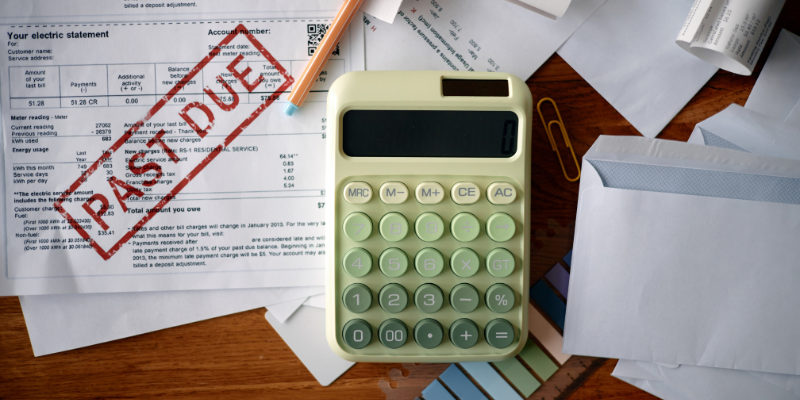
Selling a house is rarely simple, and it can feel even more complicated when you have unpaid utility bills. Many homeowners worry that outstanding balances for water, sewer, or other services will prevent the sale or create unexpected issues at closing.
The reality is that selling a house with unpaid utility bills is still possible. However, these debts can influence how the transaction is handled. In some cases, unpaid balances may turn into liens that need to be resolved before ownership can transfer.
Understanding how these bills affect the process is essential. When you know what to expect and how to handle the situation, you can move forward with greater clarity and fewer surprises.
This guide explains how unpaid utility bills impact a home sale, what options are available, and how to navigate the process in a clear and manageable way.
Can You Sell a House With Unpaid Utility Bills?
Yes, you can sell a house even if you have outstanding utility balances. However, those unpaid bills do not simply disappear during the sale process. They usually need to be addressed before or during closing.
In many cases, overdue utility accounts are identified during a title search. This is a routine part of most real estate transactions. The title company reviews any debts or claims tied to the property that could affect the transfer of ownership.
It is important to understand the difference between a standard overdue bill and a lien. A past-due balance may initially remain a personal obligation. However, if it remains unpaid, some municipalities or service providers can place a lien against the property.
When a lien exists, it typically must be resolved before the sale can close. This does not necessarily mean paying everything upfront. Many sellers choose to settle these balances using proceeds from the sale.
The key is understanding your situation early. Once you know whether your utility bills are simply overdue or have become attached to the property, you can move forward with a clear plan.
How Unpaid Utility Bills Impact a Home Sale
Unpaid utility bills can affect a home sale in several ways, depending on how long they have been outstanding and how the local provider manages delinquent accounts.
If the balance is recent, it may remain a personal obligation. While it might not directly prevent a sale, it can still raise questions during the buyer’s due diligence process.
More significant issues arise when those unpaid bills become property liens. This commonly happens with services like water, sewer, and trash collection. Once recorded, these liens attach to the property rather than the individual.
When liens are present, they usually must be cleared before closing. Title companies cannot insure the transfer of ownership if there are unresolved claims against the property. This can delay the transaction if not addressed early.
In many cases, the balance is paid from the seller’s proceeds at closing. This allows the transaction to move forward without requiring upfront payment, though it does reduce the seller’s final net proceeds.
Understanding how these debts affect both timing and financial outcomes helps prevent surprises and keeps the process moving.
Understanding Utility Liens on Property

Utility liens are legal claims placed against a property when certain bills remain unpaid. These are typically issued by municipalities or local service providers for essential services.
Common examples include unpaid water, sewer, or sanitation charges. Unlike many other types of debt, these balances can attach directly to the property rather than staying with the account holder.
This distinction becomes important during a sale. Even if the current owner did not personally incur the charges, the lien must still be resolved before ownership can transfer.
Once recorded, a lien becomes part of the public record. Title companies will identify it during their search and require it to be addressed so the buyer receives clear ownership.
Resolving these liens is usually straightforward. The total amount owed is confirmed, and payment is arranged through the closing process. In some cases, sellers can request payoff statements in advance to avoid delays.
Knowing whether a lien exists and the amount owed allows for better planning and smoother execution of the sale.
Your Options for Handling Utility Debt Before Selling
If you have unpaid utility bills, there are several ways to handle them before or during the sale. The best approach depends on your financial situation and timeline.
One option is to pay off the balance before listing the property. This can simplify the process and remove potential concerns for buyers, making the transaction more straightforward.
Another option is to contact the utility provider to discuss payment plans or possible settlements. Some providers are willing to work with homeowners, especially when a sale is pending.
Many sellers choose to resolve the debt at closing. In this scenario, the outstanding balance is paid directly from the sale proceeds. The title company coordinates this to ensure everything is cleared before ownership transfers.
In certain cases, a buyer may agree to factor the cost into their offer. This is more common with experienced investors who understand these situations. However, this typically results in a lower purchase price.
Each option has trade-offs. If your priority is simplicity and resolving the balance quickly, handling it at closing or selling as-is is often the most practical path. If your goal is to maximize proceeds, addressing the balance beforehand may make more sense.
Selling As-Is With Unpaid Utility Bills
Selling a property as-is means offering it in its current condition without resolving every issue beforehand. This can include unpaid utility balances.
For some sellers, this approach provides a simpler path. Instead of addressing every detail in advance, the focus shifts to finding a buyer willing to take on the property as it stands.
There are buyers who specialize in properties with complications like unpaid utility balances. In these situations, the buyer evaluates the property as it stands and works with the title company to resolve any outstanding balances during closing, which can reduce the need for the seller to handle those details upfront.
The trade-off is typically reflected in the price. Buyers who take on additional complexity will adjust their offer accordingly. This reflects the added effort and risk on their side.
This option can make sense if you are facing multiple challenges or need to sell quickly. It reduces the number of steps involved and can help move the process forward more efficiently.
How Cash Buyers Handle Utility Liens and Arrears

Cash buyers often have more flexibility when dealing with properties that have outstanding utility issues. Since they are not relying on traditional financing, they can navigate complications more efficiently.
These buyers typically assess the full situation, including any unpaid balances or liens. They understand how to coordinate with title companies and utility providers to resolve these issues during closing.
In many cases, they structure the transaction so debts are paid directly from the proceeds. This ensures the title is cleared without requiring the seller to resolve everything in advance.
Another advantage is simplicity. Cash buyers are generally experienced with distressed property situations and can move forward quickly once the details are confirmed.
That said, it remains important to work with a reputable buyer. Clear communication and transparency help ensure the process goes smoothly.
Steps to Sell a House With Utility Bills in Arrears
The first step is gathering accurate information. Contact your utility providers and request current account statements so you know exactly what is owed.
Next, determine whether any liens have been recorded against the property. A title company or local municipality can help confirm this.
Once you have clarity, decide how you want to handle the balance. You may choose to pay it upfront, negotiate a resolution, or settle it at closing.
It is also important to communicate openly with potential buyers. Being upfront about any outstanding issues helps build trust and prevents complications later.
Finally, work with professionals who understand these situations. Experience can make a significant difference when navigating properties with financial complications.
Common Mistakes to Avoid
One common mistake is delaying action on unpaid utility bills. Waiting too long can allow balances to increase or turn into liens, which adds complexity.
Another issue is assuming the debt is only personal and not tied to the property. In many cases, utility charges can attach to the home and affect the sale.
Failing to disclose known issues can also create problems. Buyers and title companies will eventually uncover these details, and lack of transparency can slow or disrupt the transaction.
Choosing an inexperienced buyer is another risk. Not all buyers are equipped to handle properties with liens or unpaid balances, which can lead to delays.
Avoiding these mistakes helps keep the process more predictable and manageable.
Conclusion
Selling a house with unpaid utility bills may feel complicated, but it is a manageable situation with the right approach. The key is understanding how these balances affect the process and taking action early.
With clear information and a practical plan, you can move forward with confidence and complete the sale without unnecessary stress.