
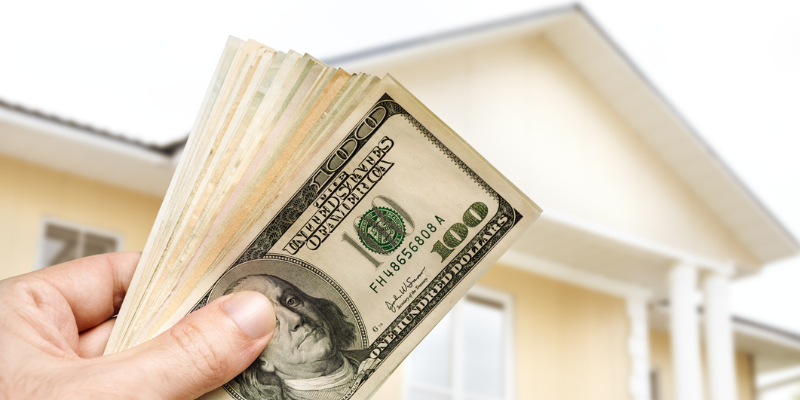
Selling a house for cash can sound like a relief, especially when time, repairs, or stress are weighing on you. Many homeowners start this search hoping for a simple solution, only to discover a confusing landscape filled with mixed messages and unanswered questions. It is no surprise that concerns about selling your house for cash are common.
The cash home buying space attracts a wide range of buyers and companies. Some are honest professionals who follow a clear process and close as promised. Others rely on pressure, vague offers, or misleading tactics that leave sellers frustrated or worse, financially harmed. Knowing the difference matters.
If you are considering a cash sale, protecting yourself starts with understanding how scams actually work. Cash home buyer scams often do not look obvious at first. They can sound professional, use familiar language, and promise convenience while quietly shifting risk onto the seller. Without clear guidance, it is easy to make a decision that feels right in the moment but creates problems later.
This guide is designed to help you slow things down and see the process clearly. You will learn what legitimate cash buyers do, how to spot red flags early, and what steps you can take to stay in control from the first conversation to closing. Whether you are overwhelmed, curious, or just being cautious, the goal is the same: help you sell with confidence and avoid costly mistakes.
A cash sale should bring clarity and peace of mind, not doubt. The right information makes all the difference.
What a Sell House Cash Scam Actually Looks Like
When most homeowners hear the word scam, they imagine something obvious. A fake check, a stranger asking for money upfront, or paperwork that clearly does not make sense. In reality, a sell house cash scam is often much more subtle.
Many scams operate inside what looks like a normal cash sale. The buyer may sound professional, respond quickly, and use familiar real estate language. At first glance, everything feels legitimate. The problems usually appear later, after trust has already been established.
A cash homebuying scam typically involves one of these core issues: misleading pricing, lack of transparency, or shifting risk onto the seller. The buyer may present an attractive offer verbally, then quietly change the terms once you are emotionally invested. In other cases, they never intend to close at all and are using your property to shop for another buyer.
It is also important to separate outright scams from poor or unprofessional business practices. Not every bad experience is fraud, but cash home buyer scams cross a line by being intentionally deceptive. They rely on confusion, urgency, or incomplete information to gain leverage.
Legitimate cash buyers make their process easy to understand. Scams make things feel rushed or vague. If you feel unsure about how the buyer makes money, how the closing works, or what happens next, that uncertainty is worth paying attention to.
Understanding what a sell house cash scam actually looks like is the first step in protecting yourself. Once you know how these situations typically unfold, it becomes much easier to spot problems early and avoid getting pulled into a deal that is not in your best interest.
The Most Common Cash Home Buyer Scams to Watch For

Once you understand how a sell house cash scam works, the next step is knowing the most common forms it takes. Many cash home buyer scams follow predictable patterns, even though they may sound different on the surface.
One common tactic is the bait and switch offer. A buyer verbally promises a strong price to get your attention. After you commit time or sign initial paperwork, the price suddenly drops. The explanation is often vague, tied to repairs, market changes, or investor approval that was never mentioned upfront.
Another common issue involves buyers who never intend to close. In these cases, the person making the offer is not the actual end buyer. They may be trying to lock up your property and then resell the contract to someone else. If that second buyer never appears, the deal stalls or falls apart, leaving you back at square one.
Upfront fee requests are also a red flag. Legitimate cash buyers do not ask sellers to pay application fees, inspection fees, or holding deposits. Any request for money before closing should immediately raise concern about a potential sell house cash scam.
Some scams rely heavily on pressure. You may be told the offer is only good for today, or that signing immediately is the only way to avoid a bad outcome. This sense of urgency is designed to stop you from asking questions or seeking advice.
There are also situations where contracts are intentionally confusing. Important details may be buried in fine print, or explained in a way that minimizes their impact. Sellers later discover they agreed to terms they did not fully understand, such as long closing windows or easy exit clauses for the buyer only.
Knowing these patterns helps you slow the process down. Cash home buyer scams thrive when sellers feel rushed or uncertain. When you know what to watch for, you can spot warning signs early and protect yourself before real damage is done.
Red Flags That Signal a Sell House Cash Scam
Even when a cash buyer seems friendly and responsive, there are warning signs that often point to a sell house cash scam. These red flags usually show up early, especially if you know what to listen for and which questions to ask.
One of the biggest warning signs is a lack of transparency. If a buyer avoids explaining how they arrived at their offer, or cannot clearly describe the closing process, that uncertainty matters. Legitimate buyers expect these questions and are willing to answer them directly.
Another red flag is pressure to move quickly. Statements like “this offer expires today” or “we need a signed contract before you talk to anyone else” are designed to rush your decision. A trustworthy buyer understands that selling a house is a major choice and allows you time to think.
Be cautious if the buyer refuses to meet in person or avoids video calls when requested. While some parts of the process can happen remotely, a complete unwillingness to connect directly can signal a cash home buyer scam.
Unclear contracts are also a common issue. If the agreement is filled with vague language, missing details, or clauses that only benefit the buyer, slow down. You should understand exactly what happens if the buyer delays, cancels, or changes the terms.
Requests for sensitive information too early should raise concern. Social security numbers, bank details, or copies of personal documents are not needed at the start of a legitimate cash sale. Sharing these prematurely increases your risk.
A sell house cash scam often depends on the seller ignoring discomfort. If something feels off, confusing, or overly complicated, trust that instinct. Red flags are not about being suspicious of everyone. They are about protecting yourself by recognizing when a situation does not align with a fair and straightforward process.
How Legitimate Cash Buyers Actually Operate

Understanding how a real cash buyer works makes it much easier to spot a sell house cash scam. Legitimate buyers follow a clear, repeatable process that prioritizes transparency and seller understanding.
A legitimate cash buyer explains how the offer is created. This usually includes a review of the property condition, recent comparable sales, repair costs, and holding expenses. You may not like the number, but you should understand how it was reached.
The process is also clearly defined from start to finish. A trustworthy buyer explains what happens after you request an offer, how long inspections take, when the contract is finalized, and how closing works. There should be no mystery about the next step.
Real cash buyers close through established title companies or real estate attorneys. Funds are handled through escrow, not directly between you and the buyer. This structure protects both parties and removes unnecessary risk from the transaction.
Another key difference is pacing. Legitimate buyers do not rush you to sign before you are ready. They answer questions, encourage you to review documents, and respect your need to think. Pressure is not part of a professional cash sale.
You should also expect consistency. The price discussed early should match what appears in writing, unless something significant and clearly explained changes. Sudden unexplained drops are often associated with cash home buyer scams, not ethical buyers.
When a buyer operates with clarity, patience, and structure, the transaction feels straightforward. Knowing how legitimate cash buyers actually operate gives you a reliable benchmark. If a situation falls far outside this standard, it may be time to pause and reassess.
How to Verify a Cash Buyer Before You Sign Anything
One of the most effective ways to avoid a sell house cash scam is to verify who you are dealing with before any paperwork is signed. This step does not require special expertise, just a willingness to slow down and ask the right questions.
Start by researching the buyer’s business presence. A legitimate cash buyer should have a real company name, a physical location or service area, and a track record you can review. Look beyond a single website page. Consistent information across multiple platforms matters more than flashy marketing.
Ask direct questions about the process. Who will be closing the transaction, how long the closing typically takes, and what happens if something unexpected comes up. Clear answers signal professionalism. Evasive or overly technical responses often point toward cash home buyer scams.
It is also reasonable to ask how the buyer plans to fund the purchase of your property. Legitimate buyers can explain whether they are buying with their own funds, through partners, or with financing arranged in advance. You do not need bank statements, but you should understand the structure.
Pay close attention to how documents are handled. Contracts should be presented clearly, with time to review them. You should never feel discouraged from having an attorney, trusted advisor, or title company look things over. Any resistance to outside review is a warning sign.
Finally, trust the pacing of the conversation. A fair buyer respects your timeline and encourages informed decisions. A sell house cash scam often depends on urgency and confusion. Verification works because it brings clarity back into the process.
Taking these steps protects your interests and gives you confidence moving forward. When a buyer is legitimate, they will welcome verification rather than avoid it.
Protecting Yourself Legally and Financially

Avoiding a sell house cash scam is not only about spotting bad actors. It is also about protecting yourself through the structure of the transaction. The right legal and financial safeguards make a major difference.
Start with the contract. Every term should be clear, readable, and explained in plain language. Pay attention to closing timelines, cancellation rights, and any contingencies that allow the buyer to walk away. If something is confusing, pause and ask for clarification before moving forward.
A legitimate cash sale should always involve a neutral third party. Title companies and real estate attorneys exist to protect both sides and ensure the transaction is handled properly. Funds should move through escrow, not directly between you and the buyer. This process helps prevent many cash home buyer scams.
You should also feel comfortable involving outside professionals. An attorney, trusted real estate advisor, or even a knowledgeable family member can review documents and ask questions you may not think of. A buyer who discourages this step may be trying to limit oversight.
Be cautious with flexible or extended closing timelines that only benefit the buyer. Long timelines without clear commitments can tie up your property while giving the buyer an easy exit. These arrangements are sometimes used in a sell house cash scam to control a home without real risk.
Most importantly, remember that you control the pace. You are not obligated to sign quickly or accept unclear terms. Protecting yourself legally and financially often comes down to slowing the process enough to ensure everything makes sense.
A safe cash sale is structured, transparent, and balanced. When the protections are in place, the transaction feels steady rather than stressful.
Why Some Sellers Still Fall for Cash Home Buyer Scams
Even with warnings and information available, many homeowners still find themselves caught in cash home buyer scams. This does not happen because they are careless. It usually happens because of pressure, stress, or lack of clarity at the moment a decision is made.
Financial strain is a major factor. When someone is behind on payments, dealing with an inherited property, or facing a life transition, speed can feel more important than certainty. A sell house cash scam often targets this urgency and presents itself as the easiest way out.
Emotional exhaustion also plays a role. Selling a home can feel overwhelming, especially when repairs, tenants, or family dynamics are involved. When someone promises to handle everything quickly, it can be tempting to stop asking questions and move forward just to be done.
Another common issue is misunderstanding the difference between speed and pressure. Legitimate cash buyers can move quickly, but scams create urgency that limits thinking time. Sellers may assume this pressure is normal for a cash sale when it is not.
Some homeowners also lack experience with real estate transactions. If you have never sold a house outside of a traditional agent listing, it can be difficult to know what is standard and what is not. Cash home buyer scams rely on this gap in familiarity.
Recognizing these factors is important because it removes shame from the conversation. Falling into a bad deal is not a personal failure. It is often the result of stress combined with incomplete information.
The best protection is awareness. When you understand why sellers become vulnerable, you can slow the process down, regain control, and make decisions based on clarity rather than pressure.
Making a Safe and Confident Cash Sale Decision

Once you understand how a sell house cash scam works and how to spot warning signs, the final step is shifting your mindset. A safe cash sale is not about finding the fastest offer. It is about making a confident decision you can stand behind.
Confidence comes from clarity. You should understand who the buyer is, how the price was determined, and what the closing process looks like from start to finish. When those pieces are clear, the transaction feels manageable instead of stressful.
It also helps to remember that you have options. You are allowed to compare offers, ask follow up questions, and walk away if something does not feel right. Legitimate buyers respect this. Cash home buyer scams often rely on the idea that you have no other choice.
Focus on alignment rather than promises. A buyer who takes time to explain the process, uses reputable third parties, and communicates consistently is showing you how they operate. That behavior matters more than any headline number.
If you feel uncertain, slow down. Review documents again, talk to a professional, or ask the buyer to clarify next steps. A sell house cash scam loses its power when you remove urgency and replace it with understanding.
A cash sale should create relief, not regret. When you approach the decision with patience and information, you protect yourself and increase the likelihood of a smooth, fair outcome.
How to Sell for Cash Without Getting Scammed
Selling your home for cash does not have to be risky. When done correctly, it can be a straightforward and respectful process that gives you clarity and peace of mind. The key is understanding how a sell house cash scam works and knowing how to protect yourself before problems arise.
Scams rely on confusion, urgency, and incomplete information. Legitimate buyers rely on transparency, clear communication, and a structured process. When you know the difference, you are far less likely to end up in a situation that feels uncomfortable or unfair.
Take your time. Ask questions. Review documents carefully. A trustworthy cash buyer will support these steps because they lead to smoother closings and better outcomes for everyone involved. If something feels rushed or unclear, that is a signal to pause, not push forward.
A safe cash sale should help you move forward with confidence, not doubt. With the right information and the right buyer, selling for cash can be a positive solution rather than a stressful gamble.
If you are considering a cash sale and want a clear, straightforward process, you can take the next step here: Get my cash offer