

Losing a loved one is hard enough. Dealing with legal paperwork, court timelines, and an inherited property can quickly make it overwhelming.
One of the most common questions families ask is this: does a house have to go through probate before selling?
If you recently inherited a home, you may be wondering whether you can sell a house before probate is complete. Maybe the property is vacant and needs maintenance. Maybe there are ongoing expenses like taxes, insurance, or a mortgage. Or maybe you and other heirs simply want clarity and closure.
The short answer is that it depends.
In many cases, you cannot legally sell a house before probate without court authority. However, there are exceptions. The way the property was titled, whether there was a trust in place, and your state’s probate real estate rules all play an important role.
Understanding these details early can save you time, stress, and costly mistakes.
In this article, we will walk through how probate works, when a house can be sold, and what options may be available to you. By the end, you will have a clearer picture of what is possible and what steps to take next if you are considering selling an inherited home.
What Is Probate and Why Does It Matter in Real Estate?
Probate is the legal process of settling a person’s estate after they pass away.
During probate, the court validates the will, appoints an executor or personal representative, and oversees the distribution of assets. This includes real estate.
If the deceased person owned a home in their name alone, that property typically becomes part of the probate estate. Until the court grants authority to act on behalf of the estate, no one has the legal right to transfer ownership.
That is where confusion often begins.
Many heirs assume that once a will names them as beneficiaries, they automatically have the right to sell the property. In reality, ownership does not transfer instantly. The probate court must first authorize someone to manage and distribute the assets according to the will or state law.
Probate matters in real estate because title matters.
A buyer cannot receive clear title to a property unless the seller has legal authority to transfer it. If you attempt to sell your house before probate is properly opened and authority is granted, the transaction can fall apart. Title companies and lenders will require documentation that confirms the executor has the right to sell.
Probate real estate rules are designed to protect all parties involved. They ensure that:
- Debts and taxes are paid before assets are distributed
- Creditors have an opportunity to make claims
- Beneficiaries receive what they are legally entitled to
While these protections are important, they can also slow down the process.
Depending on the state and the complexity of the estate, probate can take several months or longer. Court filings, required notices, and waiting periods all affect when a property can be legally sold.
Understanding how probate works is the first step toward determining whether you can sell your house before probate is completed, or whether you need to wait until the court grants the proper authority.
Can You Sell a House Before Probate Is Completed?
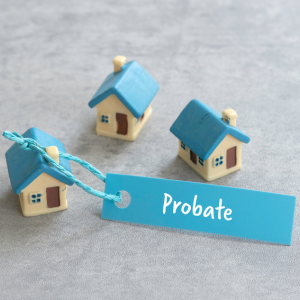
This is the question most families want answered quickly: can you sell a house before probate is finished?
In most situations, the answer is no.
If the property was owned solely by the person who passed away, no one has the legal authority to sell it until the probate court appoints an executor or personal representative. Even if you are named in the will, you typically cannot sign a purchase agreement or transfer ownership until the court gives you that authority.
Title companies and buyers will require proof.
Before closing, they will ask for court documents that show who has the legal right to act on behalf of the estate. Without that documentation, the sale cannot move forward. This is one of the most important probate real estate rules to understand.
However, there are exceptions.
In some cases, you may be able to sell your house before probate because probate is not required at all. This often depends on how the property was titled. Common examples include:
Property held in a living trust. If the home was placed in a trust, the successor trustee can usually sell the property without going through probate.
Joint tenancy with right of survivorship. If the deceased owned the property jointly with another person, ownership may automatically transfer to the surviving owner.
Transfer on death deed. Some states allow real estate to pass directly to a named beneficiary upon death, bypassing probate.
In these situations, the legal transfer happens outside of the probate court process. That means the new owner may be able to move forward with a sale more quickly.
There is also another important distinction.
In some states, once probate is opened and the executor is officially appointed, the property can be listed and even sold before probate is fully completed. The key is that proper authority has been granted. The estate may still be in probate, but the executor has permission to act.
The bottom line is this: whether you can sell your house before probate depends on ownership structure and court authority.
Before making decisions, review how the property is titled and consult a probate attorney or a knowledgeable real estate professional. Taking this step early can prevent delays and protect you from legal complications later in the process.
Who Has the Legal Authority to Sell During Probate?
When a property is part of an estate, authority is everything.
Even if the family agrees that selling is the best decision, only the court appointed executor or personal representative has the legal right to act on behalf of the estate. This authority is granted through official probate documents, often called Letters Testamentary or Letters of Administration.
Until those documents are issued, you generally cannot sell your house before probate authority is established.
The executor’s role is to protect the estate and act in the best interests of the beneficiaries. That includes:
- Securing and maintaining the property
- Paying valid debts and expenses
- Following probate real estate rules set by the court
- Distributing remaining assets according to the will or state law
Once officially appointed, the executor may have different levels of authority depending on the state.
In some states, the executor has full authority to sell the property without further court approval. In others, the sale must be confirmed by the probate court before it becomes final. This can add time and additional steps to the process.
For example, court confirmation may require:
- Filing a petition to approve the sale
- Notifying beneficiaries
- Attending a hearing
- Allowing other buyers to submit higher bids in court
These requirements are designed to ensure the property is sold fairly and at a reasonable price. While they can feel burdensome, they protect both the estate and the heirs.
It is also important to understand that beneficiaries themselves do not have the authority to sell unless they are also the appointed executor. Even if everyone agrees on the sale, the court appointed representative must sign the documents.
If you are unsure who has authority, start by confirming whether probate has been opened and whether an executor has been formally appointed. Without that step, any attempt to sell a house before probate approval can create legal complications and delays.
Clarity at this stage prevents costly mistakes later.
Situations Where You May Be Able to Sell House Before Probate

While most estates must go through probate before a home can be sold, there are specific situations where you may be able to sell your house before probate becomes a lengthy court process.
The key factor is how the property was owned.
If the home was placed in a living trust, probate may not be required at all. In that case, the successor trustee can step in and manage or sell the property according to the terms of the trust. This is one of the most common ways families avoid probate real estate rules tied to court supervision.
Joint ownership can also change the outcome.
If the property was owned as joint tenants with right of survivorship, ownership typically transfers automatically to the surviving owner. Once the appropriate death certificate is recorded, the surviving owner may be able to sell without opening probate for that property.
Some states also allow transfer on death deeds. This structure names a beneficiary who automatically inherits the property when the owner passes away. If properly recorded, this can allow the new owner to sell without waiting for probate approval.
There are also limited circumstances where probate is required, but the process is simplified.
Small estate procedures may apply if the total value of the estate falls below a certain threshold. These streamlined options can shorten timelines and reduce court involvement. While you still need to follow local probate real estate rules, the process can move more quickly.
In other cases, you may not be able to close the sale immediately, but you can prepare.
For example, once probate is opened and an executor is appointed, the property can often be listed for sale while the estate is still in probate. Marketing the property early can reduce delays once authority to close is confirmed.
If you are hoping to sell house before probate is fully completed, consider these practical steps:
- Review the deed to confirm how the property is titled.
- Check whether a trust exists.
- Consult a probate attorney to clarify your authority.
- Speak with a real estate professional who understands probate transactions.
Each estate is different.
By understanding how ownership is structured and what options exist under your state’s probate real estate rules, you can make informed decisions and avoid unnecessary delays.
What If Multiple Heirs Are Involved?
When more than one heir inherits a property, the situation can become more complex.
Even if everyone agrees that selling is the right choice, the legal authority still rests with the executor. Beneficiaries cannot independently decide to sell a house before probate authority is properly granted.
That said, multiple heirs can affect the timeline and the overall experience.
If communication is clear and expectations are aligned, the process can move smoothly. If there is disagreement about price, timing, or whether to sell at all, delays are common.
Some of the most frequent challenges include:
- One heir wanting to keep the property while others prefer to sell
- Disagreements about listing price
- Concerns about repairs or improvements
- Tension related to family dynamics
Probate real estate rules require the executor to act in the best interest of the estate as a whole, not just one beneficiary. This means decisions must be reasonable, documented, and defensible.
If heirs cannot agree, the executor may still move forward with a sale if it aligns with their fiduciary duty. In extreme cases, disputes can escalate into legal action, which can significantly delay the process.
Clear communication helps prevent this.
Early in the probate process, it is wise to gather all beneficiaries and discuss expectations. Talk openly about the property’s condition, estimated value, carrying costs, and realistic timelines.
It can also help to obtain a professional valuation. An objective opinion often reduces emotional decision making and provides a factual starting point for discussion.
If you are hoping to sell a house before probate is finalized, cooperation among heirs becomes even more important. Buyers are far more comfortable moving forward when they see that the estate is organized and unified.
The more clarity and alignment you create upfront, the smoother the sale will be later.
How Long Does Probate Take and How Does It Affect a Sale?

One of the biggest concerns families have is timing.
Probate is not an overnight process. In many states, it takes several months at a minimum. In more complex estates, it can take a year or longer.
The timeline depends on several factors.
Court schedules play a role. Some counties move cases quickly, while others have backlogs. The size of the estate matters as well. If there are multiple assets, outstanding debts, or disputes among heirs, the process can stretch out.
There is also a required creditor period in most states. During this time, creditors have the legal right to file claims against the estate. This waiting period is part of standard probate real estate rules and cannot be skipped.
All of this affects your ability to sell.
If probate has not yet been opened, you typically cannot sell a house before probate authority is granted. If probate is open but the executor does not yet have full authority, additional court approval may be required before closing.
From a buyer’s perspective, uncertainty can create hesitation.
Traditional buyers often prefer properties with clear, straightforward ownership. If the sale depends on court approval or extended timelines, some buyers may walk away. Financing can also become more complicated if deadlines are unclear.
That said, probate does not automatically prevent a sale.
In many cases, once the executor is appointed, the property can be marketed and placed under contract while probate continues. The key is transparency. Buyers need to understand the timeline and any court requirements upfront.
If you are facing ongoing costs such as mortgage payments, taxes, utilities, or maintenance, the waiting period can feel stressful. Vacant homes can also create insurance and security concerns.
Understanding the realistic timeline in your specific county allows you to plan appropriately.
Before assuming you must wait indefinitely, speak with a probate attorney about how long the process typically takes in your area. In some situations, there may be options to move more efficiently, even if you cannot fully sell a house before probate steps are completed.
Clarity reduces uncertainty, and uncertainty is often the biggest obstacle in probate sales.
Selling an Inherited House: Practical Steps to Take
If you are preparing to sell an inherited property, clarity and preparation make a significant difference.
Whether you are hoping to sell your house before probate is finalized or planning to wait for full court approval, the first step is understanding your legal position.
Start by confirming how the property is titled.
Review the deed. Determine whether the home was owned individually, jointly, or placed in a trust. This single detail often determines whether probate is required and what probate real estate rules apply.
Next, confirm whether probate has been opened.
If it has not, speak with a probate attorney about beginning the process. If it has, verify who has been officially appointed as executor or personal representative. Without that court issued authority, you cannot legally move forward with a sale.
Once authority is clear, focus on the property itself.
Get a realistic valuation. This can come from a local real estate agent, an appraiser, or a qualified home buyer. An accurate understanding of value helps set expectations among heirs and reduces the risk of disagreement later.
Then assess the condition of the home.
Ask yourself:
- Is the property move-in ready, or does it need repairs?
- Are there safety issues that must be addressed?
- Is it financially practical to renovate before selling?
In probate situations, many families choose to sell the property as is. This can reduce stress, avoid upfront costs, and simplify the process, especially if multiple heirs are involved.
You should also gather important documents early. This may include:
- The will
- Death certificate
- Court appointment documents
- Mortgage statements
- Utility information
Having these organized makes the transaction smoother once you find a buyer.
Finally, decide which type of sale aligns with your goals.
Listing the property traditionally may make sense if time is not a major concern and the home is in good condition. On the other hand, if the property needs work, if heirs live out of state, or if you want to minimize showings and repairs, a direct sale may offer a simpler path.
If you are trying to sell a house before probate is fully complete, preparation becomes even more important. Buyers and title companies will require clear documentation. The more organized you are, the more confident they will feel moving forward.
Taking these steps early gives you control in a process that can otherwise feel uncertain.
Should You Wait for Probate or Explore Other Options?

At some point, most families face a practical question: should we wait for probate to run its course, or look for other options?
The answer depends on your situation.
If there is no urgency, the property is in good condition, and the estate is straightforward, waiting for full probate approval may be perfectly reasonable. Once authority is granted and probate real estate rules are satisfied, the sale can move forward in a traditional way.
However, not every situation is that simple.
Vacant homes can create stress. Monthly expenses continue. Insurance requirements may change. Maintenance issues can worsen over time. If multiple heirs are involved, prolonged timelines can also increase tension.
In these cases, exploring alternatives can make sense.
For example, once an executor is appointed, you may not be able to completely sell a house before probate closes, but you can often market the property and secure a buyer. This shortens the timeline between court approval and closing.
You can also consider selling the property as is instead of investing in repairs. Many inherited homes have deferred maintenance. Spending significant money on renovations during probate may not align with the estate’s goals.
Another option is working with a direct home buyer who understands probate transactions. This can simplify the process by reducing inspections, repairs, and contingencies. It can also provide flexibility around closing dates, especially if court confirmation is required.
The key is clarity.
Before making a decision, evaluate:
- How urgent is the sale?
- What are the ongoing holding costs?
- Are all heirs aligned on timing and price?
What do local probate real estate rules require in your specific county?
Selling an inherited home is not just a financial decision. It is often tied to family dynamics and emotional considerations.
If you are hoping to sell a house before probate is fully resolved, make sure you have legal authority and a clear plan. If waiting is the better choice, use that time to prepare the property and organize documentation.
There is no one size fits all answer. The right path is the one that brings clarity, reduces unnecessary stress, and allows everyone involved to move forward with confidence.
What to Know Before You Try to Sell House Before Probate
By now, you can see that the answer is not always simple.
In most cases, you cannot sell a house before probate unless the property was structured to avoid probate entirely or the court has formally granted authority to an executor. Legal ownership and proper documentation are what make a sale possible.
If the home is in a trust, jointly owned, or covered by a transfer on death deed, probate may not be required. In other situations, probate must be opened, and the executor must be officially appointed before any contract can be finalized.
Understanding your local probate real estate rules is critical.
Each state, and sometimes each county, has specific requirements around court approval, creditor notice periods, and executor authority. Skipping steps or misunderstanding the process can lead to delays, canceled contracts, or legal complications.
The good news is that there is usually a clear path forward.
- Start by confirming how the property is titled.
- Verify whether probate has been opened.
- Confirm who has legal authority to act on behalf of the estate.
- Seek guidance from a probate attorney or a real estate professional experienced with inherited properties.
Once you have clarity, you can make informed decisions about timing, pricing, and the type of sale that fits your situation.
Selling an inherited house often comes at an emotional time. The process does not have to add unnecessary stress. With the right information and support, you can move forward in a way that feels organized and fair.
If you are exploring your options and want to see how others have experienced working with us, we invite you to check out our reviews.
Clarity brings confidence. And confidence makes the next step easier.