
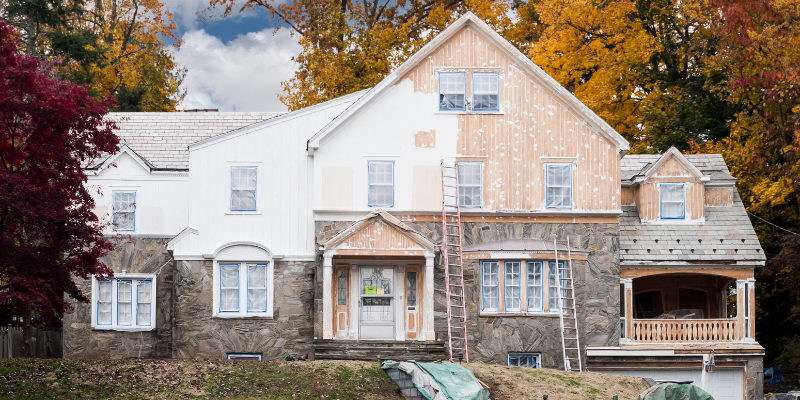
Selling a home is rarely simple, but it can feel especially complicated when the property has serious structural problems. Foundation cracks, shifting walls, or a compromised roof can raise concerns about safety, cost, and whether buyers will even be interested. Many homeowners assume these issues make a sale impossible or not worth pursuing.
The reality is that you can still sell a house with structural damage. The process just looks different. Buyers evaluate risk more carefully, pricing reflects the condition, and your options often shift toward as-is or investor-focused sales.
This guide explains what structural issues mean for your sale, how they affect value, and the practical paths available so you can move forward with clarity and confidence.
What Counts as Structural Damage in a Home
Structural damage refers to problems that affect the core integrity of a property. These are not surface-level issues. They involve the parts of the home that keep it stable, safe, and structurally sound over time.
One of the most common examples is foundation trouble. This can include large cracks, uneven settling, or shifting that causes floors to slope or doors to stick. These issues often indicate movement beneath the home and can worsen if left unaddressed.
Problems with load-bearing elements are another category. This includes damaged beams, weakened framing, or walls that are no longer properly supporting the structure. Unlike cosmetic wall cracks, these issues can affect the overall stability of the home.
Roof structure damage also falls into this category. A sagging roofline or compromised support system is more than a simple repair. It can point to long-term stress or water damage that has spread beyond one area.
It is important to distinguish structural issues from cosmetic repairs. Peeling paint, outdated fixtures, or worn flooring may affect appearance, but they do not impact the safety or framework of the property. Structural concerns require more careful evaluation and often involve higher costs and more complex decisions.
Understanding the difference helps set expectations and prepares you for how buyers will evaluate the property.
Can You Sell a House With Structural Damage?
Yes, it is possible to sell a property with serious structural issues. However, the process requires a clear understanding of how these problems affect buyer interest, pricing, and timelines.
Sellers are required to disclose known defects. Structural concerns are considered material issues, which means they must be shared with potential buyers. Being upfront not only protects you legally but also builds trust during negotiations.
Buyer demand will look different compared to a typical home sale. Many traditional buyers rely on financing, and lenders often have strict requirements related to property condition. If the home does not meet those standards, it can limit the pool of qualified buyers.
At the same time, some buyers actively look for properties in need of major repairs. Investors, contractors, and experienced buyers often seek out these opportunities because they are prepared to take on the work in exchange for a lower purchase price.
The key is aligning your expectations with the type of buyer you are likely to attract. A home with structural concerns can still sell, but it requires a strategy that reflects its condition and the realities of the market.
How Structural Issues Affect Property Value

Structural problems almost always reduce a home’s market value. The extent of that impact depends on the severity of the issue and the estimated cost to repair it.
Buyers consider both the direct repair costs and the uncertainty involved. Even with an inspection, there is often concern about hidden issues or complications that could arise during repairs. This added risk typically leads to more conservative offers.
Inspection reports play a major role in shaping negotiations. Once a structural issue is documented, it becomes a central point in pricing discussions. Buyers may request significant discounts or ask for repair credits to offset future expenses.
There is also a clear difference between buyer types. Traditional retail buyers tend to be more cautious and may walk away entirely. Investors and renovation-focused buyers are generally more comfortable evaluating these risks and pricing them into their offers.
Understanding this dynamic helps set realistic expectations and allows you to evaluate offers based on both price and certainty.
Your Selling Options for a Major Repair Property Sale
When selling a property with significant structural concerns, you have several paths to consider. Each comes with tradeoffs in terms of time, cost, and complexity.
One option is to sell the home as-is to a direct buyer. In this type of sale, the buyer evaluates the property in its current condition and takes on the responsibility of repairs, which can reduce the amount of work and coordination required from the seller. This approach focuses on simplicity. The buyer takes on the repairs, and the transaction can often move more quickly with fewer contingencies.
Another option is listing the property on the open market. This may expose the home to a wider audience, but it also requires full disclosure and may involve extended time on the market. Buyers may negotiate heavily or request inspections that delay the process.
You could also choose to make repairs before selling. In some cases, addressing the structural issue can increase the final sale price. However, this approach requires upfront investment, coordination with contractors, and acceptance of potential delays or cost overruns.
There are also hybrid approaches. Some sellers complete limited repairs while leaving major work to the buyer, offering credits or adjusting the price to reflect the condition.
The right option usually comes down to two factors: how much time and effort you want to invest, and whether you are comfortable managing repairs.
If you prefer to maximize price and can manage a renovation, repairs may make sense. If your priority is simplicity or speed, selling as-is is often the more practical path.
Selling As-Is vs. Making Repairs

Deciding whether to sell as-is or complete repairs is one of the most important choices in this situation.
Major structural repairs can be expensive and time-consuming. Foundation work, for example, may require specialized contractors, permits, and weeks of work. Costs can also increase if additional issues are uncovered during the process.
In some cases, completing repairs may lead to a higher sale price. A move-in ready home appeals to a broader range of buyers and may attract stronger offers. However, the increase in price does not always outweigh the cost, time, and effort required.
Selling as-is offers a different type of value. It reduces complexity and allows you to avoid managing repairs. This can be especially important if you are dealing with financial pressure, time constraints, or a property that has become difficult to maintain.
The decision often comes down to your priorities. If you have the resources and time, repairs may make sense. If your goal is a simpler process, selling in its current condition may be the better option.
Who Buys Homes With Structural Issues
Not all buyers are equipped or willing to take on a property with structural problems. Understanding who is most likely to purchase can help you position the sale more effectively.
Real estate investors are one of the most common buyer groups. They are experienced in evaluating repair costs and often have teams in place to handle renovations. Their focus is on purchasing properties at a price that allows for repairs and future resale or rental.
Contractors and renovation-focused buyers may also be interested. These buyers see opportunity in properties that need significant work and are typically comfortable managing complex repairs.
Cash buyers tend to play a key role in these transactions. Without the need for lender approval, they can move more quickly and are less constrained by property condition requirements.
Traditional buyers, on the other hand, are often limited by financing rules and personal risk tolerance. Many prefer homes that are ready to live in, which makes properties with major structural concerns less appealing to this group.
Identifying the right audience helps streamline the process and reduces the likelihood of deals falling through.
What to Expect During the Selling Process

Selling a home with structural concerns involves additional steps compared to a standard transaction.
Inspections and evaluations are typically more detailed. Buyers may bring in contractors or structural engineers to assess the extent of the problem and estimate repair costs. This information will directly influence their offer.
Negotiations tend to focus heavily on the scope of repairs. Buyers may request price reductions or concessions based on their findings. Being prepared for these discussions can help avoid unnecessary delays.
Timelines can vary depending on the buyer type. Cash buyers often move more quickly, while financed buyers may require additional approvals or contingencies that extend the process.
Clear communication is essential throughout. Providing accurate information and responding promptly helps build confidence and keeps the process moving forward.
How to Prepare Your Home for Sale Despite Structural Issues
Preparation plays a key role in creating a smoother selling experience.
Start by gathering any existing documentation. Previous repair records, inspection reports, or contractor estimates can provide valuable context for buyers. This helps reduce uncertainty and supports more informed discussions.
In some cases, obtaining a professional assessment can be beneficial. A report from a structural engineer or qualified contractor can clarify the issue and outline potential solutions.
Setting a realistic price is also important. Overpricing a property with known issues can lead to extended time on the market and repeated negotiations. Pricing it appropriately from the start can attract more serious buyers.
Finally, present the property with honesty and clarity. Being transparent about the condition builds trust and helps attract buyers who are prepared for what the home requires.
Conclusion
Selling a home with structural concerns may feel overwhelming, but it is a situation many homeowners successfully navigate. The key is understanding how these issues affect value, buyer interest, and the overall process.
By approaching the sale with clear expectations, honest communication, and a strategy that fits your situation, you can move forward with confidence. Whether you choose to sell as-is or explore other options, there is a path that can help you achieve a practical outcome.