
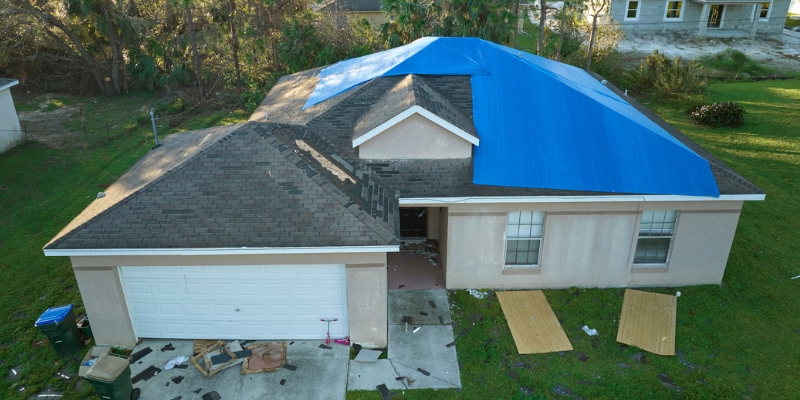
If you are staring at a leaking roof, outdated wiring, or a foundation problem and wondering what comes next, you are not alone. Many homeowners reach a point where they need to move on, but the condition of the property makes that feel complicated or even impossible.
One of the most common questions sellers ask is whether they can sell a house that needs repairs without fixing everything first. The idea of pouring more money, time, and energy into a home that already feels like a burden can be overwhelming. For some, the stress of repairs is what pushed them to consider selling in the first place.
The truth is this: a house that needs major repairs does not automatically trap you. There are multiple ways to sell, and each comes with different expectations, costs, and levels of effort. The right path depends on your situation, not on a one-size-fits-all rule.
In this guide, we will walk through what it really means when a house needs major repairs, the options available to you, and how to decide which approach makes the most sense. The goal is simple: to help you understand your choices so you can move forward with clarity and confidence.
What Does It Mean When a House Needs Major Repairs?
When people hear that a home needs major repairs, it often sounds vague and intimidating. In practical terms, it usually means the property has issues that go beyond cosmetic updates and affect safety, structure, or core systems.
A house needs major repairs when problems would likely stop a traditional buyer from moving in right away or from qualifying for standard financing. These are not small fixes like paint or new flooring. They are issues that take time, money, and coordination to resolve.
Common examples include foundation movement, roof damage, or widespread water intrusion. Electrical systems that are outdated or unsafe also fall into this category. Plumbing failures, failing HVAC systems, and significant mold or structural wood rot are other frequent concerns.
When you are trying to sell a house that needs repairs, these issues matter because they influence who is willing to buy and how the sale can move forward. Many buyers do not have the resources or appetite to take on large repair projects, especially when surprises are likely.
It is also important to understand that major repairs are not always obvious at first glance. Deferred maintenance over many years can stack up quietly. What starts as a small leak or an aging system can turn into a larger problem by the time you are ready to sell.
Recognizing that your house needs major repairs is not about assigning blame or feeling stuck. It is about clearly understanding the condition of the property so you can make informed decisions about your next steps.
Can You Sell a House That Needs Repairs? The Short Answer

Yes, you can sell a house that needs repairs, even when the issues feel significant. Homes with major problems are sold every day, often by owners who decide that fixing everything is not realistic or necessary.
The key point is this: the condition of your house changes who the likely buyer is, not whether a sale is possible. While a move-in-ready home appeals to traditional buyers, a house that needs major repairs attracts a different type of buyer who is prepared for the work.
Many homeowners assume they must fix everything before selling because that is what they have always heard. In reality, repairs are only one option, not a requirement. In some situations, making repairs can actually create more stress and financial risk without guaranteeing a better outcome.
When you sell a house that needs repairs, the process is often about aligning expectations. Buyers factor the cost, time, and uncertainty of repairs into their offers. Understanding this upfront helps you avoid frustration and unrealistic pricing.
The important takeaway is that selling is still possible. The rest of this guide will walk through your main options so you can decide which path fits your timeline, finances, and peace of mind.
Your Main Options When You Need to Sell a House That Needs Repairs
Once you accept that you can sell a house that needs repairs, the next question becomes how. There is no single right answer. The best option depends on how much time, money, and energy you are willing or able to invest before selling.
Most homeowners fall into one of three paths when a house needs major repairs. Each comes with tradeoffs that are important to understand before making a decision.
One option is to sell the property as is. This means you do not make repairs and you market the home in its current condition. Buyers know upfront that work is needed, and pricing reflects that reality.
Another option is to make repairs before selling. Some homeowners choose to fix certain issues to appeal to a wider pool of buyers. This approach can work, but it also introduces cost, delays, and uncertainty around how much value those repairs will actually add.
The third option is selling directly to a cash buyer who specializes in properties that need work. This route often prioritizes simplicity and speed over maximizing top-end price. For many sellers, especially when a house needs major repairs, this tradeoff can feel worthwhile.
Understanding these options early helps you avoid wasted effort. When you sell house needs repairs, clarity around your priorities makes the entire process more manageable. The sections ahead will break down each path in more detail so you can decide what fits your situation best.
Selling As Is When Your House Needs Major Repairs

Selling as is means you put the home on the market in its current condition, without making repairs or improvements. When you sell a house that needs repairs this way, you are being upfront that the buyer will be responsible for any fixes after closing.
For many homeowners, this option feels like a relief. There is no need to coordinate contractors, manage timelines, or spend money you may not have. You avoid the risk of starting repairs that uncover even bigger problems.
That said, selling as-is comes with realistic expectations. Buyers will factor the cost and uncertainty of repairs into their offers. When a house needs major repairs, the buyer pool is usually smaller and more price sensitive.
Traditional buyers using conventional financing may struggle to purchase a home with serious issues. Lenders often require properties to meet minimum condition standards. As a result, selling as is often attracts investors, builders, or buyers specifically looking for renovation projects.
If you choose this route, pricing becomes especially important. Overpricing a home that clearly needs work can lead to long market times and repeated price reductions. A well priced as-is listing signals transparency and helps the right buyers take interest sooner.
Selling as is can make sense when speed, simplicity, and reducing stress matter more than squeezing out every possible dollar. For homeowners who need to sell a house that needs repairs without adding more pressure, this option can provide a clear and straightforward path forward.
Should You Fix the House Before You Sell?
Deciding whether to make repairs before selling can feel like a gamble. On one hand, fixing problems may help the home appeal to more buyers. On the other, repairs can quickly become expensive and stressful, especially when a house needs major repairs.
When you sell a house that needs repairs, it is important to be honest about your goals. Some repairs rarely deliver a dollar for dollar return. Large projects like roofs, foundations, or full system replacements often cost more than sellers expect, and they do not always raise the sale price enough to justify the investment.
There is also the issue of uncertainty. Once repairs begin, hidden problems can surface. What starts as a simple fix can turn into a longer timeline and higher costs. This can delay your sale and add pressure if you are already trying to move forward.
That said, limited repairs can make sense in specific situations. Addressing safety issues or minor items that clearly block buyer interest may help, especially if the home is otherwise in good condition. The key is being selective and realistic.
Before committing to repairs, consider your budget, your timeline, and your tolerance for disruption. If making fixes will stretch you financially or emotionally, it may not be the right path. For many homeowners, especially when a house needs major repairs, selling without fixing everything can be the more practical and less stressful choice.
Selling a House That Needs Repairs to a Cash Buyer

Another common option when you sell a house that needs repairs is working with a cash buyer. These buyers focus specifically on properties that need work, including homes with major repairs that would stop a traditional sale.
A cash buyer typically purchases the home as is. That means no repairs, no cleaning, and no preparation beyond deciding to move forward. For sellers dealing with a house that needs major repairs, this can remove a significant amount of stress.
The process is usually more straightforward than a traditional sale. After a walkthrough or evaluation, the buyer makes an offer based on the condition of the property, local market values, and the cost of repairs. If the offer makes sense to you, the closing timeline is often flexible and much faster than listing on the open market.
One reason sellers choose this route is certainty. Cash buyers do not rely on lender approvals or repair requirements, so deals are less likely to fall apart late in the process. This can be especially helpful if you are facing a deadline or simply want a clean break.
It is still important to work with a buyer who is transparent and respectful. Ask questions about the process, closing costs, and timelines. When you sell a house that needs repairs to a reputable cash buyer, the goal should be clarity and peace of mind, not pressure.
For many homeowners, this option provides a practical balance. You may not aim for top market price, but you gain simplicity, speed, and relief from managing repairs that feel overwhelming.
Common Mistakes Sellers Make When Their House Needs Repairs
When homeowners try to sell a house that needs repairs, mistakes often come from good intentions paired with unclear expectations. Knowing what to avoid can save time, money, and unnecessary frustration.
One common mistake is overestimating the value repairs will add. Sellers may assume that fixing a few major issues will dramatically increase the sale price. In reality, buyers often still discount homes that recently had repairs, especially if other systems are aging or the work feels rushed.
Another issue is waiting too long to decide. When a house needs major repairs, delaying action can allow problems to worsen. Leaks spread, structural issues grow, and holding costs like taxes, insurance, and utilities continue to add up.
Some sellers also focus only on one selling path. They may assume listing traditionally is the only option or believe that selling to a cash buyer is their last resort. This narrow view can prevent them from choosing a solution that better fits their situation.
Pricing mistakes are also common. Setting the price based on nearby renovated homes can lead to long market times and repeated reductions. Buyers are quick to notice when a price does not reflect the true condition of the property.
The most avoidable mistake is not gathering clear information early. When you sell house needs repairs, understanding your options upfront helps you move forward with confidence instead of reacting under pressure.
How to Decide the Best Way to Sell When Your House Needs Repairs

Choosing how to move forward can feel like the hardest part when emotions and finances are tied to the same decision. When you sell a house that needs repairs, the best choice is rarely about what looks ideal on paper. It is about what fits your real situation.
Start with your timeline. If you need to sell quickly because of a relocation, financial pressure, or personal stress, options that require repairs or long market times may work against you. A faster, more certain path can reduce risk and mental strain.
Next, look at your finances. Major repairs often require upfront cash with no guarantee of a full return. If paying for fixes would stretch you or require borrowing, that added pressure matters. Selling without repairs can preserve resources and simplify the process.
Stress and capacity are just as important. Managing contractors, inspections, and unexpected delays can take a toll. If the house already feels like a burden, adding more responsibility may not be the right move. Many homeowners underestimate how draining repairs can be when a house needs major repairs.
Finally, consider certainty. When you sell a house that needs repairs, some paths offer higher potential prices but less predictability. Others trade maximum value for clarity and control. Neither is wrong, but one will usually align better with your priorities.
The right decision is the one that allows you to move forward with confidence. By weighing time, money, stress, and certainty together, you can choose a selling path that supports peace of mind instead of adding more pressure.
You Still Have Options, Even If Your House Needs Major Repairs
Owning a home that feels overwhelming can make it seem like you are out of good choices. The reality is that many homeowners successfully sell house needs repairs every year, even when the problems feel significant.
The most important step is understanding that you are not required to fix everything before selling. Whether your house needs major repairs due to age, deferred maintenance, or unexpected issues, there are paths that allow you to move forward without taking on more stress than necessary.
Selling as is, making selective repairs, or working with a cash buyer are all valid options. Each comes with different tradeoffs around price, speed, and certainty. What matters most is choosing the option that aligns with your timeline, finances, and peace of mind.
If you are feeling unsure, take time to gather information and ask questions. Clarity often reduces anxiety more than any single decision. When you sell a house that needs repairs with realistic expectations, the process becomes more manageable and far less intimidating.
If you want to see how other homeowners felt after choosing a clear path forward, check out our reviews.