

Falling behind on mortgage payments can feel overwhelming. Phone calls increase. Letters become more urgent. Then one day, you receive notice that your home is scheduled for a foreclosure auction.
At that point, the pressure is real.
If you are asking whether you can stop a foreclosure auction by selling your house, the short answer is yes, in many cases you can. But timing matters. The earlier you act, the more options you typically have.
A foreclosure auction is the lender’s final step to recover the money owed on the loan. If the home sells at auction, ownership transfers, and your opportunity to control the outcome disappears. That is why understanding your options before the auction date is critical.
Many homeowners assume that once an auction is scheduled, it is too late. That is not always true. In most situations, you can still sell your home right up until the auction takes place. If the sale satisfies the mortgage debt, the lender has no reason to proceed.
The key is clarity and action.
Selling your house can stop a foreclosure auction, but it requires knowing your timeline, understanding what you owe, and choosing a path that can close in time. Whether you have significant equity or are close to breaking even, there may still be a way forward.
In the sections ahead, we will walk through how the foreclosure process works, how selling fits into that timeline, and what practical steps you can take right now to protect your home and your financial future.
What Happens Before a Foreclosure Auction?
To understand how to stop foreclosure auction proceedings, you first need to understand how the process unfolds.
Foreclosure does not happen overnight. It typically follows a series of steps that begin after you miss one or more mortgage payments.
At first, the lender will send reminders and late notices. If payments continue to be missed, the loan goes into default. You will likely receive a formal Notice of Default, which is a public record stating that you are behind and must catch up within a specific time period.
If the default is not resolved, the lender schedules a foreclosure auction. You will then receive a Notice of Sale that lists the date, time, and location of the auction.
This timeline can move faster than many homeowners expect.
In some states, the process may take several months. In others, it can move quickly once the notice of sale is recorded. Either way, once the auction date is set, the clock is ticking.
Many homeowners delay action because they feel overwhelmed or assume there are no real options left. Others hope they can negotiate with the lender at the last minute. While lenders may work with borrowers in some situations, their primary goal is to recover the debt.
The important takeaway is this: you usually have the right to sell your property up until the auction takes place. If you can sell and pay off the loan before that date, you can stop a foreclosure auction entirely.
The earlier you take steps to evaluate your options, the more control you keep over the outcome.
Can You Sell Your House Before the Auction Date?
One of the most common questions homeowners ask is whether they can sell their house once the auction has already been scheduled.
In most cases, the answer is yes.
Until the foreclosure auction actually takes place, you typically still own the property. That means you have the legal right to sell it. If the sale pays off the mortgage balance and any associated fees, the lender can cancel the auction.
This is one of the most direct ways to stop a foreclosure auction.
It is important to understand the lender’s perspective. Banks and mortgage companies are not in the business of owning homes. Their primary goal is to recover the money owed on the loan. If you can sell the property and satisfy the debt before the auction date, the lender often prefers that outcome.
However, whether you can sell your house to stop the auction depends largely on your financial position.
If you have equity in the home, meaning the property is worth more than what you owe, the process is usually more straightforward. You sell the home, pay off the mortgage at closing, and any remaining funds belong to you.
If you owe more than the home is worth, the situation becomes more complex. In that case, you may need lender approval for a short sale. That requires additional paperwork and time, which makes acting early even more important.
The key point is this: a scheduled auction does not automatically mean you are out of options. As long as the auction has not occurred, there is still an opportunity to take control and pursue a sale that could stop foreclosure auction entirely.
The next step is understanding exactly how a sale stops the process and what must happen behind the scenes to make it official.
How Selling Your House Can Stop a Foreclosure Auction

Selling your home can stop foreclosure auction proceedings, but it is not automatic. Certain conditions must be met for the lender to officially cancel the sale.
The most important requirement is simple: the mortgage must be paid off.
When you sell a property, the closing agent or title company requests a payoff statement from your lender. This document shows the exact amount required to satisfy the loan, including missed payments, fees, and legal costs.
At closing, the proceeds from the sale are used to pay that amount in full. Once the lender receives the payoff funds, the loan is considered satisfied. At that point, there is no reason to move forward with the foreclosure auction.
That is how you stop a foreclosure auction through a standard sale.
If you have enough equity, this process is usually straightforward. The property sells, the debt is paid, and the foreclosure is withdrawn.
If you do not have enough equity, you may need to pursue a short sale. In that situation, the lender agrees to accept less than the total amount owed. This can still allow you to sell your house and stop auction, but it requires lender approval before closing.
Short sales take coordination and clear communication. The lender must review the offer, financial documentation, and supporting materials before approving the payoff amount. Because of this, time becomes even more critical.
Speed and certainty matter in every scenario.
If a buyer backs out or financing falls through close to the auction date, you may lose the opportunity to stop foreclosure auction proceedings. That is why many homeowners in this position look for options that offer predictable timelines and fewer contingencies.
In every case, the goal is the same: complete a sale, satisfy the lender, and formally cancel the auction before it happens.
Time Is Critical: How Fast Do You Need to Act to Stop Foreclosure Auction?
When you are trying to stop foreclosure auction proceedings, timing is everything.
Technically, you can usually sell your home right up until the auction takes place. Practically, waiting until the last minute creates serious risk.
Every foreclosure has a scheduled auction date. Once that date arrives and the property is sold, ownership changes hands. After that point, your options become extremely limited.
The challenge is not just selling the house. It is selling it and closing in time.
A traditional home sale often takes 30 to 60 days from contract to closing. That timeline assumes the buyer secures financing, the inspection goes smoothly, and no unexpected issues arise. If your auction is scheduled in three weeks, that timeline may not work.
Even if you list the property quickly, there is no guarantee you will receive an offer fast enough. And even with an accepted offer, lender delays, appraisal issues, or buyer financing problems can prevent you from closing before the auction.
This is why acting early is so important.
If you are 60 or 90 days away from the auction, you have more flexibility. You can explore multiple options and choose the path that best fits your situation. If you are two weeks away, your focus shifts to speed and certainty.
To stop a foreclosure auction successfully, you need to:
- Confirm your exact auction date.
- Request an official payoff amount from your lender.
- Evaluate how much equity you have.
- Choose a selling strategy that can realistically close before the deadline.
The more time you give yourself, the more control you keep.
If you are unsure how much time remains, that should be your first step. A simple call to your lender or a review of your foreclosure notice can clarify your timeline. Once you know your deadline, you can make an informed decision instead of reacting under pressure.
Selling on the Open Market vs. Selling to a Cash Buyer

If your goal is to stop foreclosure auction proceedings, the way you choose to sell matters.
Not all selling options move at the same speed. And when an auction date is approaching, timing and certainty often become more important than maximizing price alone.
One option is listing your home with a real estate agent.
Selling on the open market can work well if you have enough time and the property is in good condition. You may attract multiple buyers, and competitive offers can sometimes drive the price higher.
However, there are important factors to consider:
- Most traditional buyers rely on financing, which requires loan approval and an appraisal
- Inspections can lead to repair requests or renegotiations
- Closings often take 30 to 60 days after a contract is signed
- Buyers can back out if financing falls through
If your foreclosure auction is several months away, this path may give you flexibility. But if you are trying to stop a foreclosure auction in a short window, delays can create serious risk.
Another option is selling directly to a cash buyer.
A direct buyer typically purchases the home as is, without requiring repairs, inspections, or traditional financing. Because there is no bank loan involved, closings can often happen much faster.
For homeowners under time pressure, this speed can make the difference between closing in time and losing the property at auction.
That said, every situation is different. Some homeowners prioritize maximum price and have enough time to pursue a traditional listing. Others need certainty, simplicity, and a predictable closing date.
The key is to evaluate your timeline honestly.
If you need to sell your house to stop the auction within weeks, you may need a solution that removes as many variables as possible. If you have more time, you can weigh your options more carefully.
What matters most is choosing a path that aligns with your deadline and gives you the highest likelihood of closing before the auction date.
What If You Owe More Than the House Is Worth?
One of the biggest concerns homeowners have is this: what if the sale price will not fully cover the mortgage balance?
If you owe more than your home is worth, you are considered underwater. In this situation, you cannot simply sell the property and pay off the loan in full without bringing cash to closing.
That does not mean you are out of options.
To stop foreclosure auction proceedings when you are underwater, you may need to pursue a short sale. A short sale happens when the lender agrees to accept less than the total amount owed as full satisfaction of the debt.
This process requires lender approval.
You typically must submit:
- A purchase offer from a buyer
- Financial documentation showing hardship
- A settlement statement outlining how much the lender will receive
- Supporting paperwork requested by the lender
The lender reviews the package and decides whether to approve the reduced payoff. If approved, the sale can move forward, and the foreclosure auction can be canceled.
The challenge is timing.
Short sales can take weeks or even months for approval. If your auction date is approaching quickly, there may not be enough time to complete the process before the sale is scheduled to occur.
That is why early action is so important.
If you think you may be underwater, request a payoff statement immediately and compare it to a realistic estimate of your home’s value. The sooner you understand your equity position, the sooner you can decide whether a traditional sale, a short sale, or another solution makes sense.
Even in difficult financial situations, selling may still allow you to stop foreclosure auction and move forward with less long-term damage. The key is understanding your numbers and taking action before deadlines close in.
Steps to Take Right Now If You Want to Stop Foreclosure Auction
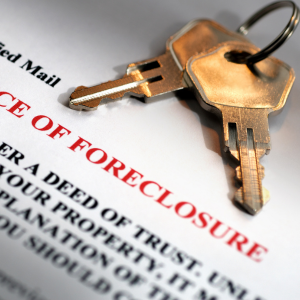
If your home is scheduled for foreclosure, taking clear and immediate action can make a significant difference. The goal is to create a plan that gives you the best chance to stop foreclosure auction proceedings before the deadline arrives.
Start by confirming your exact auction date.
Do not rely on memory or assumptions. Review the official notice or contact your lender to verify the date, time, and status of the sale. This gives you a firm deadline to work against.
Next, request a formal payoff statement.
You need to know the precise amount required to satisfy the loan, including missed payments, legal fees, and any additional costs. Without this number, it is difficult to evaluate your options accurately.
Then, assess your equity position.
Compare your payoff amount to a realistic estimate of your home’s current market value. This will help you determine whether a traditional sale, a direct sale, or a short sale may be necessary.
At the same time, open communication with your lender.
Let them know you are actively working to sell the property. In some cases, lenders may provide short extensions if they see a legitimate contract in place. Clear communication shows that you are taking responsibility and pursuing a resolution.
Most importantly, move quickly to explore selling options.
If time is limited, focus on solutions that can realistically close before the auction date. Waiting to see what happens or hoping for a last minute change rarely works in your favor.
Trying to stop foreclosure auction requires decisive action. The sooner you clarify your timeline, understand your numbers, and commit to a plan, the more likely you are to protect your home and control the outcome.
Common Mistakes That Prevent Homeowners from Stopping the Auction
When facing foreclosure, the pressure can make it difficult to think clearly. Unfortunately, certain mistakes can reduce your chances of being able to stop foreclosure auction proceedings in time.
One of the most common mistakes is waiting too long.
Many homeowners hope the situation will resolve itself. Others feel overwhelmed and avoid opening letters or answering calls. The longer you wait, the fewer options you typically have. Early action creates flexibility. Delayed action creates urgency and risk.
Another mistake is assuming there are no options once an auction date is scheduled.
As discussed earlier, you can often sell the property right up until the auction occurs. Believing that it is already too late may prevent you from taking steps that could stop foreclosure auction before the deadline.
Failing to communicate with your lender is another serious misstep.
Lenders are more likely to work with borrowers who are proactive. If you are actively trying to sell, keeping the lender informed can sometimes create room for extensions or coordination around closing timelines.
Choosing the wrong buyer can also cause problems.
If you accept an offer from a buyer who needs financing and they are not fully qualified, the deal could fall apart close to the auction date. Inspection issues, appraisal gaps, or loan denials can all delay closing. When time is short, certainty becomes critical.
Finally, relying on verbal assurances instead of written agreements can be risky.
If a buyer promises to close quickly but cannot provide a clear timeline or proof of funds, you may lose valuable time. To successfully sell house stop auction proceedings, you need a realistic closing plan backed by documentation.
Avoiding these mistakes increases your chances of maintaining control. Foreclosure is serious, but with accurate information and decisive action, you can still create a path forward before the auction takes place.
Yes, You Can Stop Foreclosure Auction by Selling, But You Must Act
Facing a foreclosure auction can feel final. The notices are serious. The deadlines are firm. It can seem like the outcome is already decided.
In many cases, it is not.
You can often stop a foreclosure auction by selling your home before the scheduled sale date. If the mortgage is paid off through the sale, the lender typically cancels the auction. That single step can prevent long-term credit damage and give you the chance to move forward on your own terms.
The key is action.
The earlier you confirm your auction date, request your payoff amount, and explore realistic selling options, the more control you keep. Waiting reduces flexibility. Acting quickly expands it.
Every situation is different. Some homeowners have equity and can sell traditionally. Others need a faster, more predictable option. In more complex cases, a short sale may be required. What matters most is choosing a path that can close before the auction date.
If you are unsure where you stand or how much time you have left, start by getting clear information. From there, you can make a decision based on facts rather than fear.
If you are facing foreclosure and want to explore a direct, straightforward option, you can take the next step today.
A clear plan can make all the difference.