

Inheriting a home often brings more than paperwork and logistics. It can surface emotions, memories, and family dynamics that were never fully addressed. When a property passes to more than one person, a simple question can quickly become complicated: can everyone agree on what to do next?
This is where heirs selling an inherited house face some of the most common challenges. One heir may want to sell quickly, another may want to keep the home in the family, and someone else may feel unsure about the process altogether. Even when everyone starts with good intentions, differences in goals, finances, or timing can create tension.
Understanding how shared ownership works is an important first step. Many heirs are surprised to learn that selling an inherited property usually requires cooperation from everyone involved. Without clear agreement, progress can stall, costs can add up, and stress can increase.
The good news is that most situations have practical solutions. Whether heirs are aligned and ready to move forward or struggling to find common ground, there are clear paths that can help protect relationships and lead to a fair outcome. This guide walks through what to expect, what options exist, and how heirs can make informed decisions when navigating the sale of an inherited property together.
Understanding Inherited Property and Heirs
When someone passes away and leaves behind a home, ownership of that property transfers to their heirs. This process can feel straightforward at first, but it often becomes more complex when multiple people inherit the same house.
An heir is typically a person legally entitled to receive property under a will or through state inheritance laws. In some cases, a will clearly names who inherits the home. In others, the property passes through intestate laws when no will exists. Either way, more than one person can end up owning the property together.
This shared ownership is at the heart of many situations involving heirs wanting to sell an inherited house. Each heir usually holds an equal or defined interest in the property, even if they live far away, contributed nothing financially, or were not involved in caring for the home. Ownership rights do not depend on effort or proximity. They are based on legal entitlement.
Another role that often causes confusion is the executor or personal representative. This person is responsible for managing the estate during probate, including maintaining the property and carrying out the terms of the will. Being an executor does not automatically mean owning the house. Ownership belongs to the heirs, while the executor manages the process.
Understanding who owns the property, who manages the estate, and how decisions must be made sets the foundation for everything that follows. When heirs are clear on their roles and rights early on, it becomes much easier to navigate conversations about next steps, including whether selling the property makes sense for everyone involved.
Do All Heirs Have to Agree to Sell an Inherited Property?

In most situations, yes. When multiple heirs inherit a home, all owners typically must agree before the property can be sold. This is one of the most important realities to understand when several heirs are involved in selling an inherited property.
When heirs share ownership, the property is usually held as tenants in common. This means each heir owns a legal share of the home, even if those shares are equal. Because of this structure, one heir cannot usually force a sale on their own or sign on behalf of the others.
This requirement for agreement often catches families off guard. One person may assume that being the executor gives them the authority to sell. Others may believe that living in the house or paying expenses gives them more control. In most cases, neither is true. Ownership rights are shared, and decisions about selling must reflect that shared ownership.
There are limited exceptions. If the will explicitly grants the executor the power to sell the property, a sale may move forward during probate without every heir signing off. Even then, the executor has a legal duty to act in the best interest of all heirs, not just one.
Because of these rules, communication becomes critical early on. When heirs understand that cooperation is required, conversations tend to shift from positions to solutions. Addressing expectations upfront can prevent long delays and help heirs move toward a path that feels fair and workable for everyone involved.
Common Reasons Heirs Disagree About Selling
Disagreements among heirs are common and often understandable. When a property carries financial value and emotional weight, it is natural for people to see the situation differently. In many situations where multiple heirs are selling an inherited house, conflict comes from a few recurring issues.
Emotional attachment is one of the biggest factors. One heir may see the home as just an asset, while another sees it as a family gathering place or a reminder of a loved one. These emotional ties can make selling feel rushed or even disrespectful to some family members.
Money also plays a major role. Heirs may disagree on the home’s value, the right time to sell, or whether to invest in repairs first. If one heir needs their share quickly and another is financially comfortable, priorities can clash.
Different long term plans can create friction as well. One person may want to keep the property as a rental or move into it themselves. Another may live out of state and see ongoing ownership as a burden. These opposing goals often stall progress.
Practical responsibilities can add another layer of tension. Questions about who pays for taxes, insurance, utilities, or maintenance are not always clear. When costs start to fall unevenly, resentment can build quickly.
Understanding these common pressure points helps heirs approach the conversation with more empathy. When everyone recognizes why disagreements arise, it becomes easier to move toward solutions instead of getting stuck in conflict.
Options When Heirs Are Aligned on Selling

When everyone agrees that selling is the right move, the process becomes much more manageable. Heirs selling property together can focus on efficiency, fairness, and reducing stress instead of navigating conflict.
The first step is aligning on basic decisions. This includes agreeing on whether to sell quickly or wait for a higher price, whether to make repairs, and how sale proceeds will be divided. Having these conversations early helps avoid misunderstandings later.
Many heirs choose to work with a real estate agent. This option can make sense when the home is in good condition and the group is comfortable with showings, repairs, and a longer timeline. An agent can also help set expectations around pricing and market conditions, which can keep everyone grounded.
Another option is selling directly to a professional buyer. For heirs selling an inherited house that value simplicity, this approach can remove many common friction points. There are no repairs, no open houses, and fewer ongoing decisions. This can be especially helpful when heirs live in different states or want to minimize coordination.
No matter which path is chosen, documentation matters. Putting agreements in writing, even informally at first, helps keep everyone accountable. Clear communication around timelines, responsibilities, and next steps protects both the process and family relationships.
When heirs are aligned, selling does not have to be complicated. With a shared plan and realistic expectations, the sale can move forward smoothly and allow everyone to close this chapter with confidence.
What Happens When Heirs Cannot Agree
When heirs reach a stalemate, progress can come to a halt. This is one of the most stressful points in selling an inherited house when heirs are involved, especially when no clear plan exists for resolving disagreements.
If even one heir refuses to sell, the property often remains stuck in shared ownership. Bills like property taxes, insurance, and maintenance do not stop, and unresolved ownership can slowly drain both finances and relationships. Over time, frustration tends to grow rather than fade.
In some cases, an heir may pursue a legal option known as a partition action. This is a court process that asks a judge to force the sale or division of the property. While it can move things forward, it is rarely ideal. Partition actions can be expensive, time consuming, and emotionally draining for everyone involved.
Courts typically aim for fairness, not family harmony. The property may be sold at auction or under court supervision, often resulting in a lower sale price. Legal fees and court costs are usually paid from the proceeds, which reduces what each heir ultimately receives.
Because of these outcomes, court involvement is generally considered a last resort. Many families find that mediation, legal guidance, or bringing in a neutral third party can help break the deadlock before it reaches that point.
Understanding the real consequences of unresolved disagreement often shifts the conversation. When heirs see the financial and emotional cost of inaction, they are more likely to look for practical compromises that allow everyone to move forward.
How Probate Affects Selling an Inherited House With Multiple Heirs
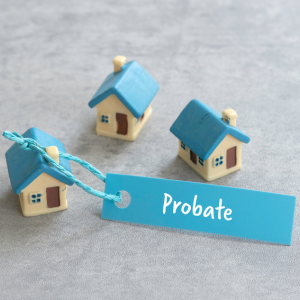
Probate often plays a central role in selling an inherited house with heirs, especially when the property was not placed in a trust. Probate is the legal process used to settle an estate, confirm heirs, and transfer ownership according to a will or state law.
During probate, the court appoints an executor or personal representative to manage the estate. This person is responsible for handling debts, maintaining the property, and carrying out the terms of the will. While the executor manages the process, they do not automatically have the right to sell the home unless the will specifically grants that authority.
In many cases, the property cannot be sold until probate is complete or far enough along to allow a sale. This can take months and sometimes longer, depending on the complexity of the estate and whether disputes arise. For heirs eager to move forward, these delays can feel frustrating and expensive.
Court approval may also be required before a sale can close. This is common when heirs selling property together are involved in a supervised probate process. The court’s goal is to ensure the sale is fair and that all heirs are treated properly, but this oversight can add time and paperwork.
Understanding where the estate stands in probate helps set realistic expectations. When heirs know what can and cannot happen during this phase, they are better equipped to plan next steps, communicate clearly, and avoid unnecessary surprises as the sale process unfolds.
Practical Steps to Help Heirs Reach an Agreement
Reaching agreement often feels harder than it needs to be, especially when emotions and finances overlap. In many situations, progress begins once conversations become more structured and focused on solutions.
Start with open and direct communication. This does not mean rushing decisions. It means giving each heir space to explain their concerns, goals, and constraints. When people feel heard, they are more willing to compromise.
A neutral property valuation can also make a big difference. Bringing in a licensed appraiser or real estate professional helps remove guesswork and emotion from pricing discussions. Clear numbers create a shared reference point and reduce arguments over value.
Clarifying financial responsibilities early is critical. Decide how ongoing expenses like taxes, insurance, utilities, and maintenance will be handled while the home is owned jointly. When costs are clearly divided or reimbursed, resentment is less likely to build.
In more complex situations, outside guidance can help. An estate attorney or mediator can explain legal realities and keep discussions productive. This is often far less expensive and stressful than allowing disagreements to escalate toward court action.
Finally, focus on the shared goal. Whether heirs selling property together want closure, fairness, or simplicity, identifying common ground helps reframe the conversation. Agreement does not require everyone to want the same thing. It requires a path that respects each person’s interests while allowing the group to move forward.
Selling an Inherited Property Without Making Repairs

Many inherited homes are older and need work. Deferred maintenance, outdated systems, or years of accumulated belongings can make repairs feel overwhelming. For heirs selling an inherited house, this reality often becomes a major point of stress and disagreement.
Selling the property as is can simplify the process. This approach allows heirs to sell the home in its current condition, without cleaning it out, making updates, or coordinating contractors. For families spread across different locations, this can remove a significant logistical burden.
Choosing not to make repairs can also reduce conflict. When heirs disagree about how much to spend or which improvements matter, selling as is eliminates those decisions altogether. Everyone can focus on closing the sale rather than managing a renovation.
This option is especially helpful when the property has been vacant, has significant repairs, or is tied up in probate. It can also make sense when heirs selling property together want a faster resolution and fewer ongoing expenses like utilities and insurance.
Selling as is does not mean accepting an unclear or unfair process. It means prioritizing simplicity, transparency, and a clean transition. For many families, this approach provides the most direct path forward while preserving both time and peace of mind.
Finding a Way Forward for Everyone
Selling a home with multiple heirs involved can feel overwhelming, especially when emotions, finances, and legal rules intersect. The reality is that selling an inherited house with heirs involved is rarely just about the property itself. It is about communication, expectations, and finding a solution that feels fair to everyone involved.
Most challenges can be worked through with the right information and a clear plan. When heirs understand their ownership rights, the role of probate, and the options available, decisions become easier to make. Whether heirs selling property together move quickly or take time to align, progress depends on clarity and cooperation.
There is no single right path for every family. Some situations call for patience and discussion. Others benefit from a simpler sale that removes ongoing responsibilities and stress. What matters most is choosing an approach that allows everyone to move forward without unnecessary conflict or uncertainty.
If you are navigating this process and want to understand how others have experienced it, check out our reviews to see how homeowners and heirs have described their experience working with us.
Taking the next step does not have to be complicated. With the right guidance and a focus on fairness, it is possible to close this chapter and move ahead with confidence.